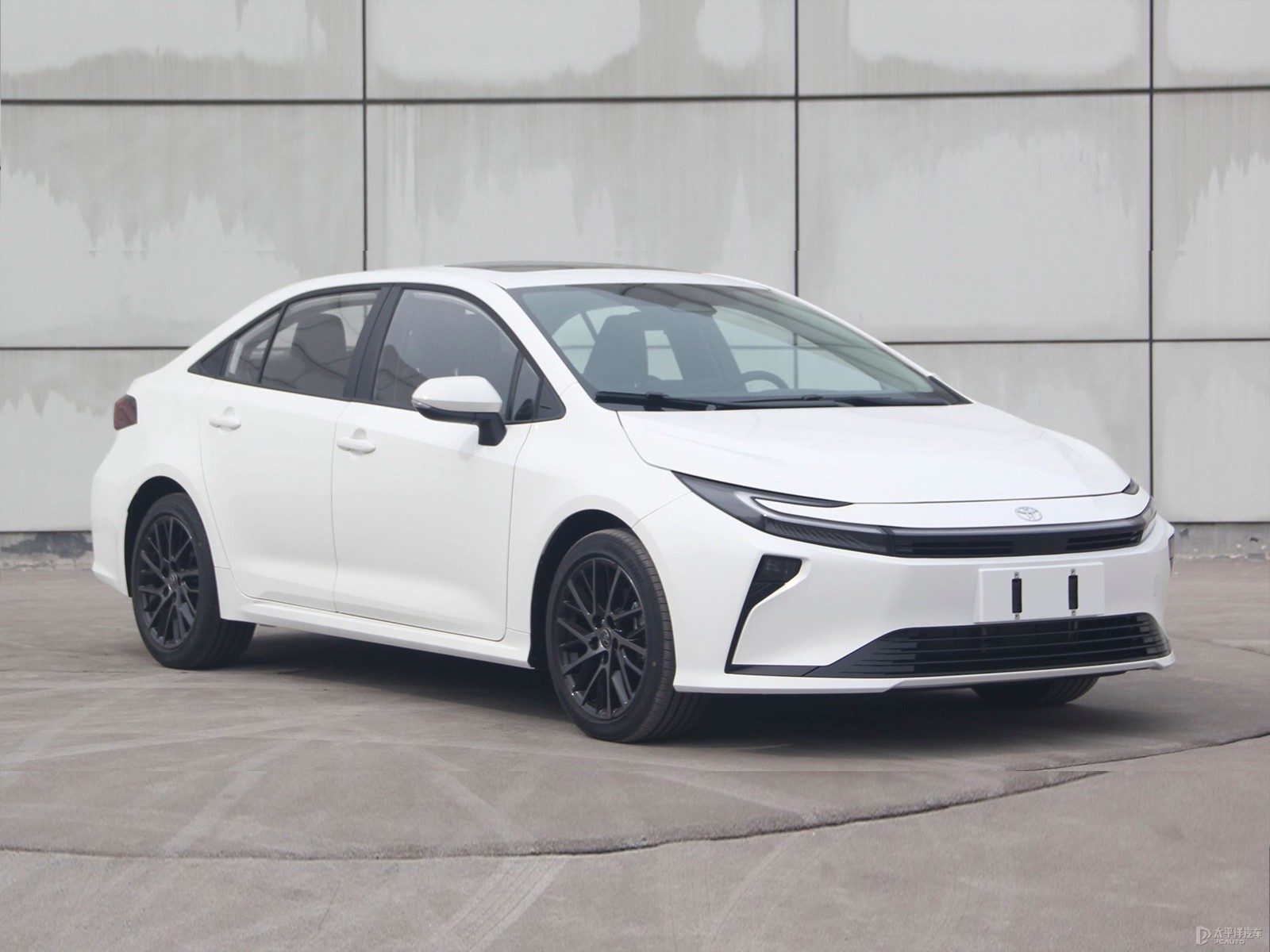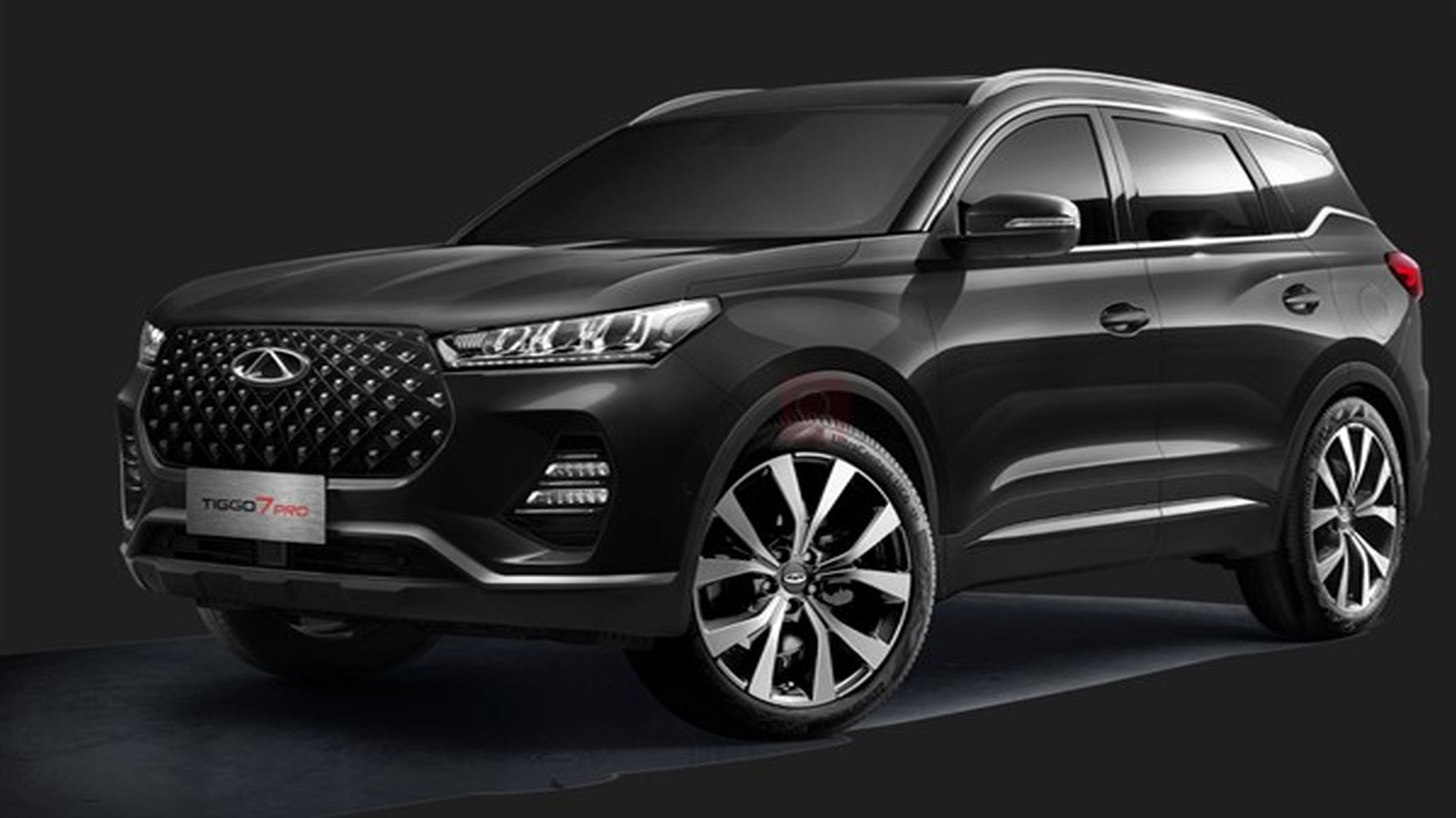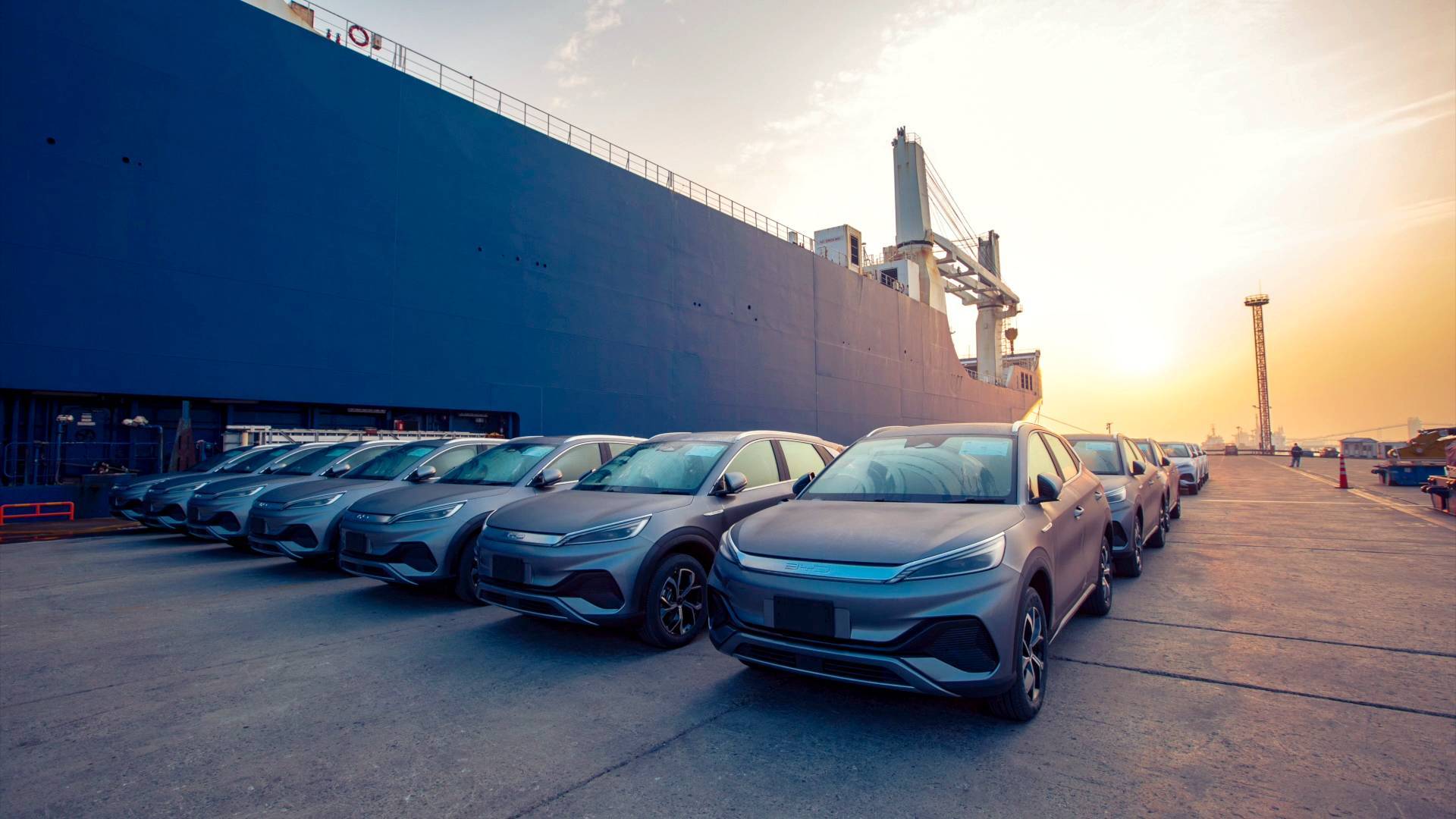
Costa Rica is Central America’s most developed auto market — no standing army, a strong tourism and tech economy, and steady demand for reliable Japanese and Korean cars plus a growing appetite for hybrids and EVs. It’s a cleaner, higher-margin market than most of Africa, with dollar-denominated trade and low payment risk.
The catch is taxes: Costa Rica’s import duties escalate steeply with vehicle age. Get the age right (under 6 years) and total taxes sit in a workable range; import an old car and duties can swallow the whole margin. This guide covers the 2026 rules, the age-based tax ladder, and the models that clear the system cleanly.
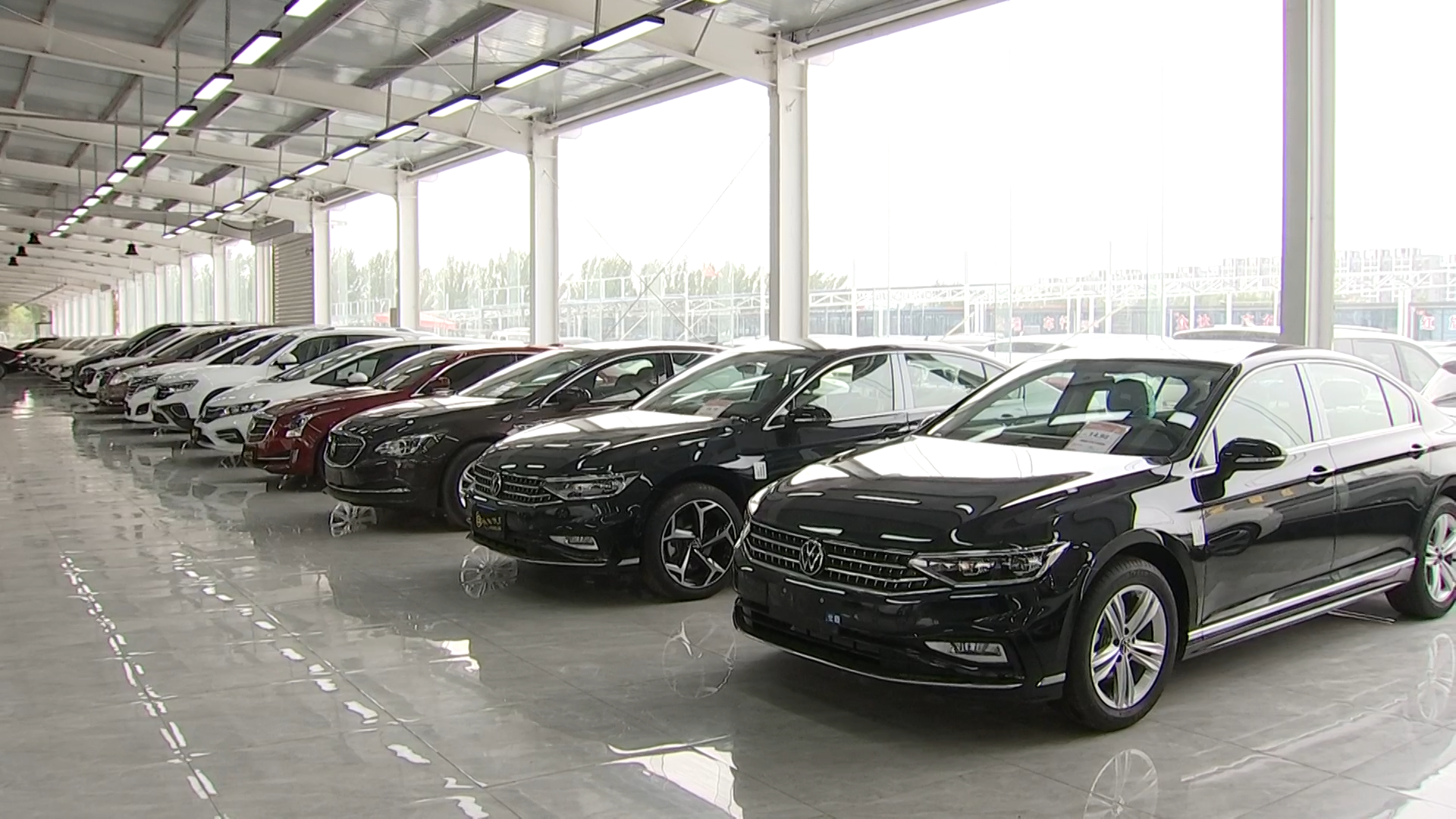
I. Import Process from China to Costa Rica
Step 1: Vehicle Selection and Supplier Verification
There is no official age ban, but taxes punish old cars:
- Age sweet spot: vehicles under 6 years old pay significantly less. Older than 15 years, taxes often hit 80–100%+ of value. For a 2026 import, target 2020 or newer — ideally 2023–2026.
- Steering: left-hand drive only (right-hand drive prohibited).
- Condition: clean title only — salvage, junk, or structurally damaged titles are rejected.
- Verify history: accident, flood, odometer, VIN integrity.
When sourcing from China:
- Prioritize recent-year (2020+) vehicles — the tax ladder makes a 1-year-old car dramatically cheaper to land than a 7-year-old one.
- Confirm the model’s treatment under the China–Costa Rica FTA (see Step 4) with your broker before buying.
- Hybrids and EVs enjoy lower tax brackets and are increasingly popular in Costa Rica — a strong angle.
Step 2: Document Preparation
For export from China:
- Commercial invoice and packing list
- Bill of Lading or Air Waybill
- Original vehicle registration and title
- Technical specification sheet (VIN, engine number, etc.)
- Certificate of Origin (COO) — essential for the China–Costa Rica FTA claim
- VIN certificate
- Pre-shipment inspection certificate (recommended)
For import into Costa Rica:
- Clean title and proof of ownership
- Commercial invoice
- Bill of Lading
- Certificate of Origin
- Emissions test
- Proof of insurance
- Customs broker — a licensed Costa Rican broker is effectively mandatory; use one
⚠️ Costa Rica’s DGA (Dirección General de Aduanas) values vehicles on the CIF value or the official “Autovalor” database, whichever is higher — budget for the higher figure.
Step 3: Logistics and Shipping
Main ports: Puerto Limón (Caribbean side) and Caldera (Pacific side):
| Method | Best For | Approx. Time | Key Notes |
|---|---|---|---|
| Ro-Ro | Standard cars, volume | 35–50 days | Most economical; both coasts served. |
| Container shipping | High-value cars, small batches | 40–55 days | Better protection; higher cost. |
Indicative shipping cost per vehicle (China → Costa Rica):
- Domestic haulage in China: $200–$400
- Ocean freight: $1,500–$2,800 (Ro-Ro)
- Port handling & documentation: $400–$800
- Marine insurance: ~0.3%–1.5% of vehicle value
- Total shipping & handling: roughly $2,100–$5,000 per vehicle
Step 4: Customs Clearance and Tax Payment
Costa Rica stacks import duty + ISC + VAT on the CIF (or Autovalor) value, with rates that rise steeply with age:
| Vehicle Age | Est. Total Taxes (on CIF) |
|---|---|
| 0–3 years | 52–67% |
| 4–5 years | 60–75% |
| 6–10 years | 70–85% |
| 11+ years | 80–100%+ |
- Import duty: age-based (~52–85% combined across brackets; base rate ~30–40%).
- ISC (Selective Consumption Tax): 10–79% depending on age, displacement and fuel type — compounds on top of duty.
- VAT (IVA): flat 13% on the duty + ISC-inclusive value.
EV advantage: electric vehicles sit in much lower tax brackets (as low as 5–15%); new EVs may be exempt from import tax with MINAE approval.
China–Costa Rica FTA (since 2011): general Chinese goods enjoy reduced tariffs (1–15%) with a valid Certificate of Origin — but vehicles are often excluded or phased under FTA schedules. Confirm vehicle-specific treatment with your broker before shipping.
Worked example — a 2022 Toyota RAV4 Hybrid with a CIF value of $22,000, assessed in the 4–5 year bracket at ~65% total:
- Duty + ISC ≈ 65% × $22,000 = $14,300
- VAT = 13% × ($22,000 + $14,300) = $4,719
- Total import charges ≈ $19,019 (~86% of CIF) — which is why age matters so much: the same car imported at 1–3 years old lands at roughly 52–67% instead.
Step 5: RITEVE Inspection and Registration
- Customs clearance — through a licensed broker; typically 1–2 weeks.
- RITEVE (DEKRA) technical inspection — mandatory roadworthiness + emissions check, ideally within 48 hours of customs release.
- Marchamo — annual road tax plus mandatory liability insurance (INS/SOA), required for legal circulation.
- Registration — with customs, inspection and insurance documents (~4.5% of assessed value).
II. Recommended Models for Import to Costa Rica
Mountain terrain favors SUVs and pickups; high fuel prices favor hybrids:
| Category | Recommended Model (from China) | Why it sells |
|---|---|---|
| SUV | Toyota RAV4 / Prado (2021–2025) | Costa Rica’s favorite; strong resale. |
| Hybrid SUV | Toyota RAV4 Hybrid / Corolla Cross Hybrid | Fuel is expensive — hybrids carry a premium. |
| Sedan | Toyota Corolla / Honda Civic (2021–2025) | Reliable, cheap to run, always in demand. |
| Pickup truck | Toyota Hilux (2021–2025) | Farms and mountain work. |
| Value SUV | Hyundai / Kia (2021–2025) | Cost-effective, well-equipped. |
| Chinese value (rising) | Changan, Geely, BYD (2021–2025) | Spec-per-dollar is winning buyers; BYD EVs get low tax brackets. |
III. Key Considerations for Importing Used Cars
- Age is the tax lever — a car under 6 years lands at 52–75%, an old car at 80–100%+. Only source recent-year stock.
- Valuation is not your invoice — DGA uses CIF or Autovalor, whichever is higher. Confirm the model’s Autovalor before purchase.
- FTA needs a real COO — for any China–Costa Rica FTA claim, the Certificate of Origin must be correct and legalized; confirm vehicles are covered.
- RITEVE within 48 hours — line up the DEKRA inspection immediately after customs release.
- Hybrids/EVs are the edge — lower tax brackets plus high fuel prices make them the smartest imports.
IV. Conclusion
Costa Rica rewards disciplined importers: source recent-year, left-hand-drive vehicles — ideally hybrids or EVs, claim the FTA benefit with a proper Certificate of Origin, use a licensed broker, and clear RITEVE fast. Get the age right and it’s a clean, dollar-based, low-risk market.
UsedAutoX sources quality used cars in China, handles export documentation and Certificate of Origin, and arranges shipping to Puerto Limón or Caldera. Contact us on WhatsApp for a tailored quote and current 2020+ availability.
- WhatsApp: +86 19867613950
- Email: sales@usedautox.com