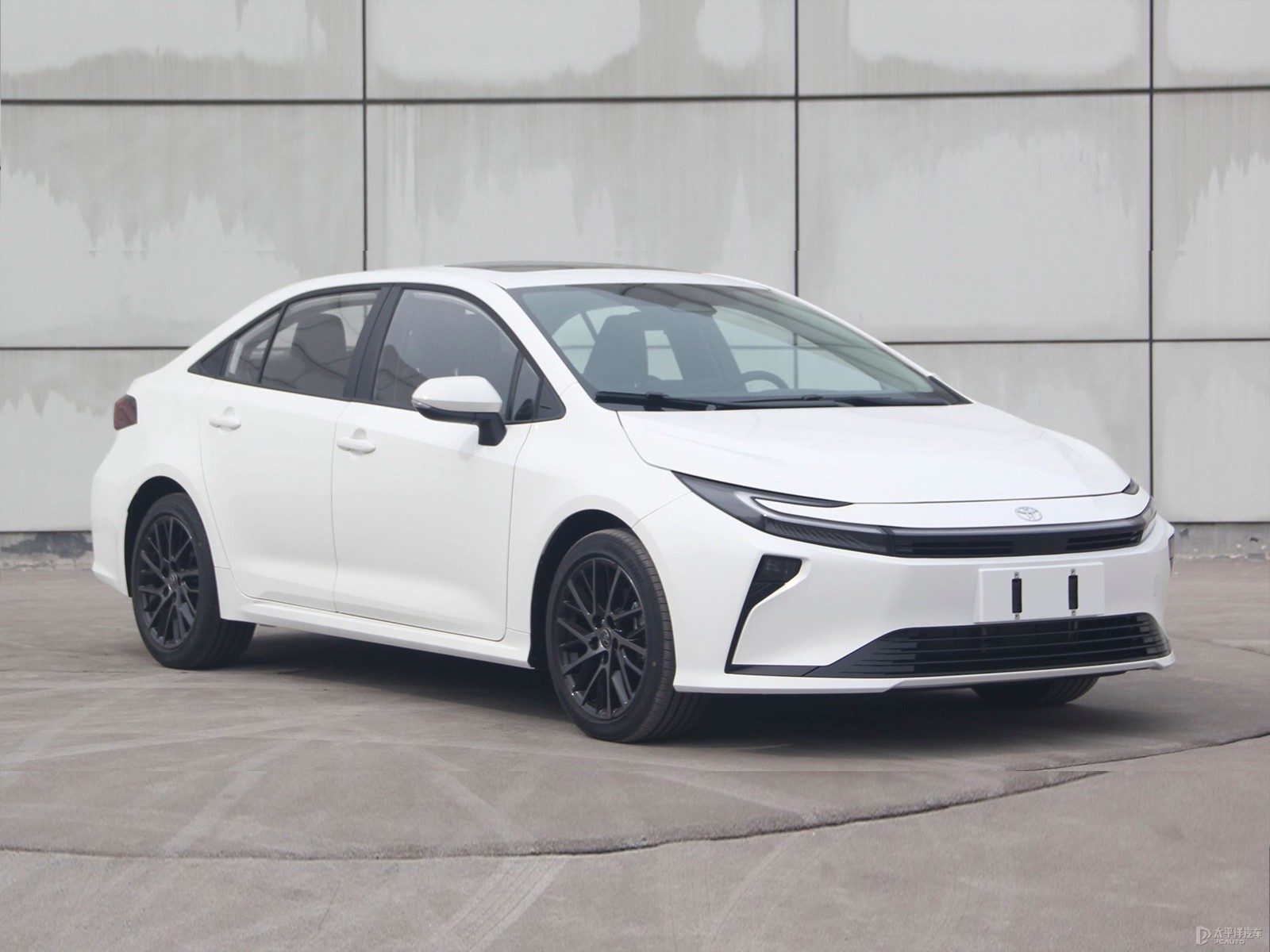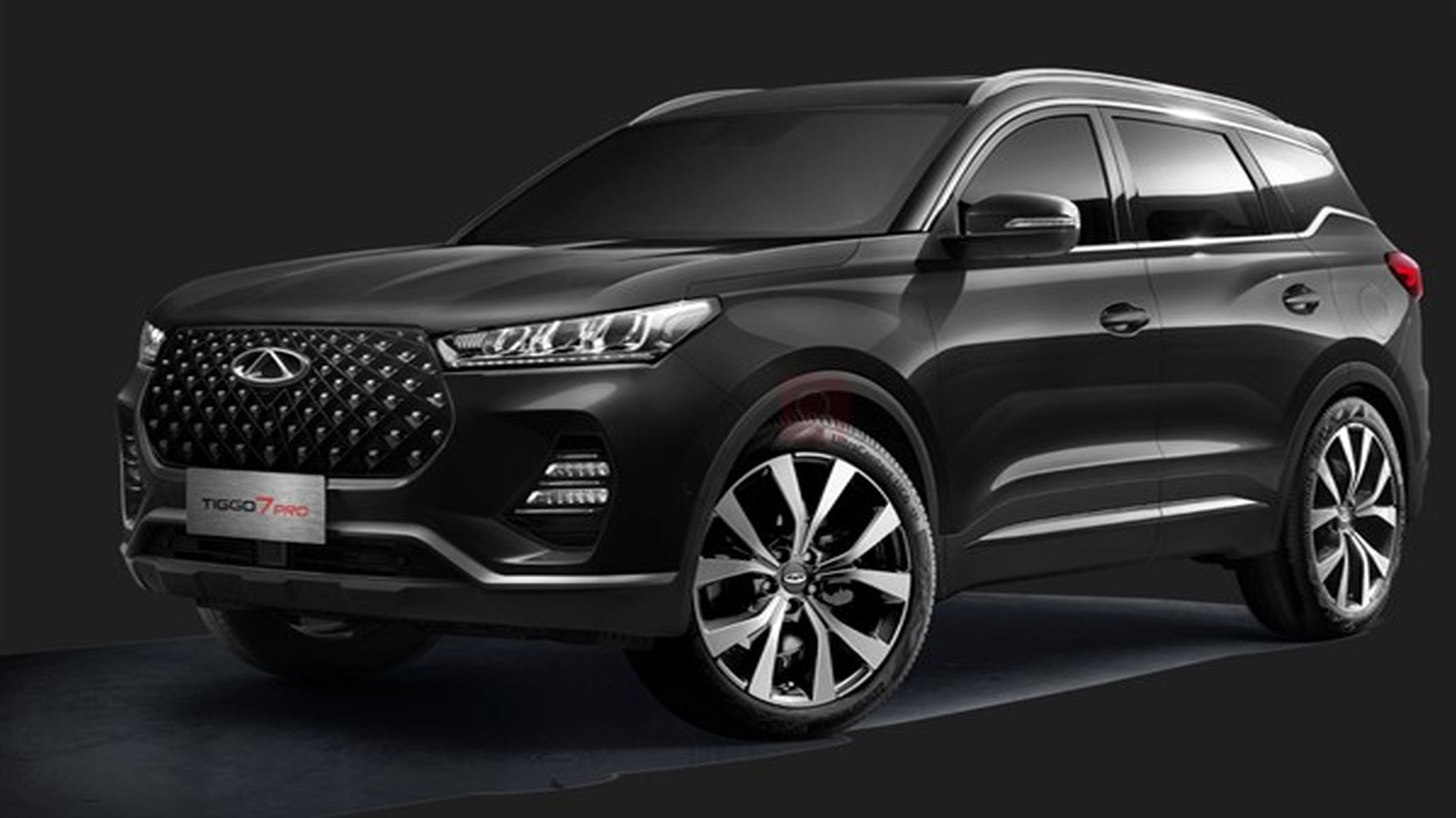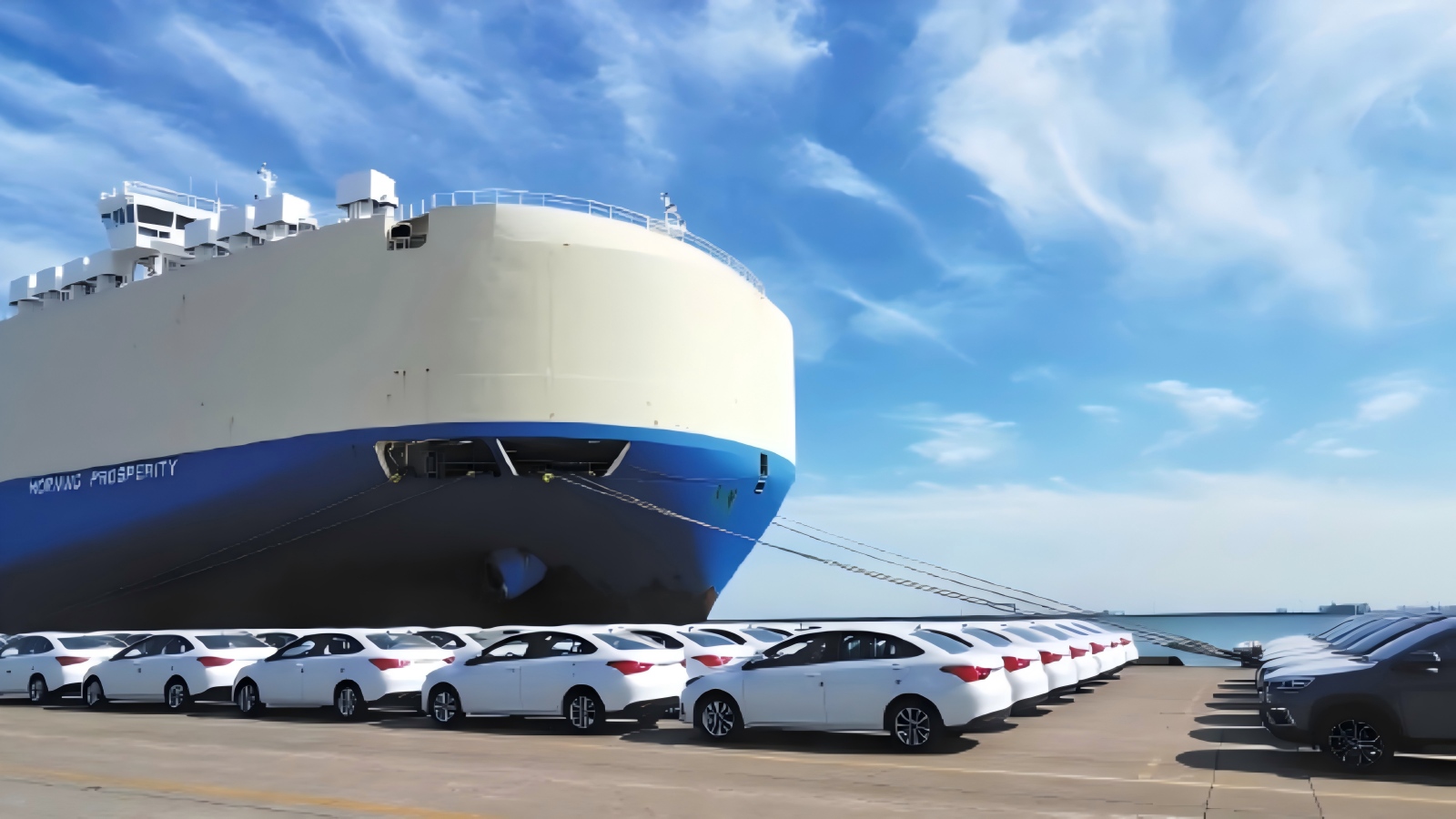
Iraq’s reconstruction boom makes it one of the most vehicle-hungry markets in the Middle East — and one of the hardest to get right. Many cars reach Iraq through Dubai’s transshipment hub, but direct shipping from China is growing, and for Chinese-origin vehicles there is a potential 0% tariff window that makes this route unusually competitive.
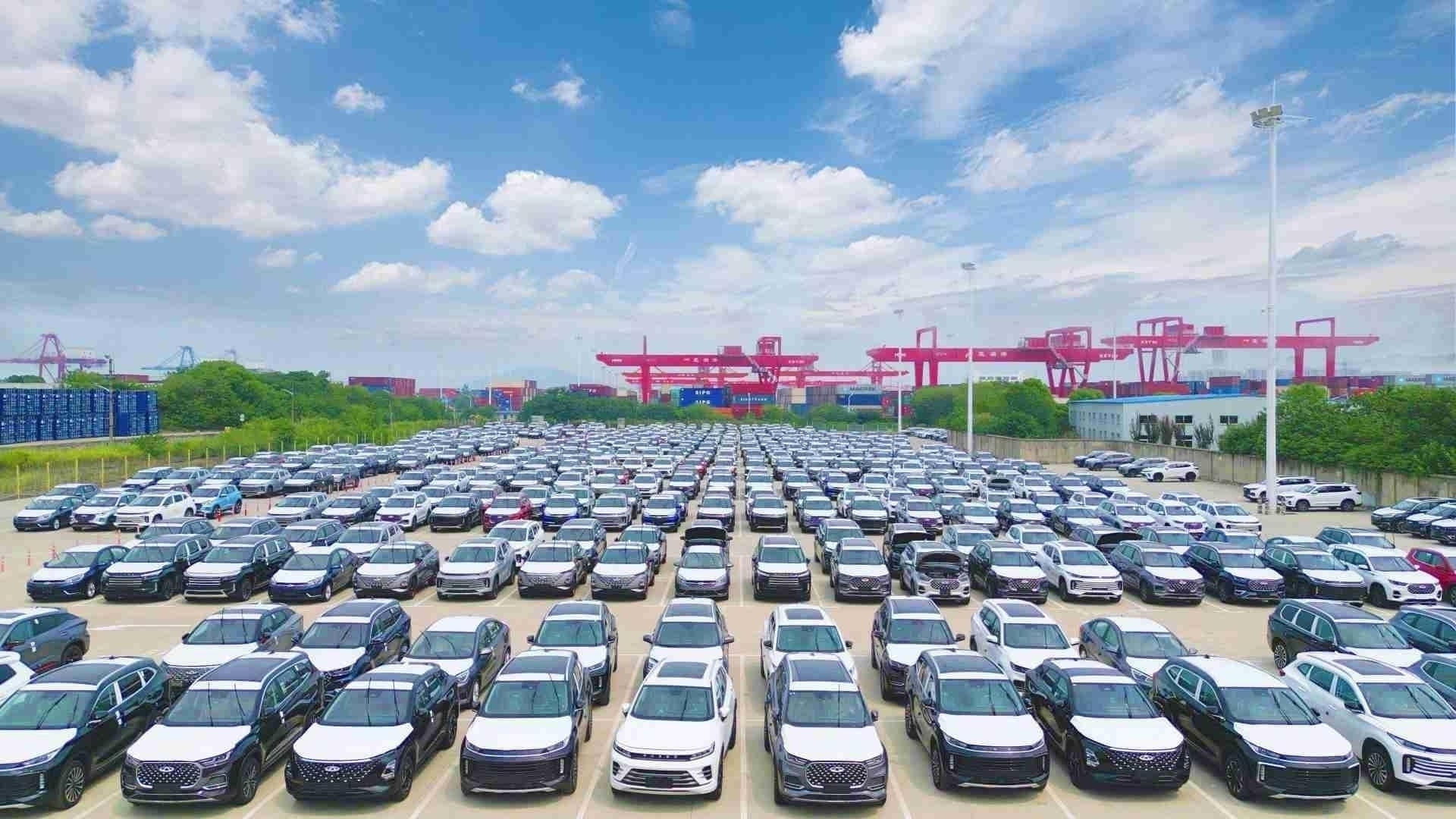 The catch: Iraq’s official rules are strict and change often. As of 2026 the headline rules are a 2-year vehicle age limit and mandatory electronic customs filing. Get the paperwork right and this is a volume market with strong margins; get it wrong and the shipment sits at Umm Qasr.
I. Import Process from China to Iraq
Step 1: Vehicle Selection and Supplier Verification
Iraq’s age rule is the strictest in the region:
- Age limit: used vehicles must be less than 2 years old (i.e., manufactured in the current year or the year before). Iraq customs explicitly bans second-hand cars manufactured more than 2 years from the current year. For a 2026 import, target 2025–2026 vehicles.
- Steering: left-hand drive only.
- Vehicle type: non-armored vehicles only.
- Condition: salvage, flood/fire-damaged, structurally damaged and taxi/police vehicles are rejected.
- From early 2026, all used cars except new-energy vehicles must meet Iraq’s “special specifications” — safety (brakes, airbags, body strength), emissions standards, and complete documentation (ownership proof, factory inspection reports, maintenance records).
When sourcing from China:
- Focus on near-new (2025+) vehicles with complete factory and maintenance paperwork.
- Verify the model can meet Iraq’s 2026 safety/emissions specifications before purchase.
- Because the age window is so tight, plan sourcing close to the manufacturing year — this is more “factory-fresh” than typical used-car export.
Step 2: Document Preparation
For export from China:
- Commercial invoice and packing list
- Bill of Lading
- Original vehicle registration and title
- Technical specification sheet (VIN, engine number, etc.)
- Legalized Certificate of Origin (COO) — critical for the potential 0% China tariff
- Pre-shipment inspection certificate (recommended)
For import into Iraq (via Umm Qasr):
- Passport copy (or licensed Iraqi importer as consignee)
- Original Bill of Lading
- Certificate of title / ownership paperwork
- Pro-forma invoice and commercial invoice
- Packing list
- Legalized Certificate of Origin
- VIN / chassis certificate
- Import license held by the Iraqi consignee (company imports need Ministry of Interior and regional customs approval)
Document rules: documents should be in Arabic or bilingual; commercial invoices must carry physical signatures (digital signatures are not accepted).
Step 3: Logistics and Shipping
Main gateway: Umm Qasr port. Electronic filing is mandatory:
- ASYCUDA World electronic declarations are required — paper declarations are no longer accepted at Umm Qasr.
- Bill of Lading rules: the B/L must state the actual cargo name (“general cargo” descriptions are rejected); the consignee and notify party must be Iraqi parties; the consignee must hold a valid import license; and no manifest amendments are allowed after the vessel berths — get the B/L right before departure.
| Method | Best For | Approx. Time | Key Notes |
|---|---|---|---|
| Ro-Ro | Standard cars, volume | 30–40 days | Cheapest per unit; Umm Qasr route. |
| Container shipping | High-value cars, small batches | 35–45 days | Better protection; stricter documentation. |
Indicative shipping cost per vehicle (China → Umm Qasr):
- Domestic haulage in China: $200–$400
- Ocean freight: $1,000–$2,000 (Ro-Ro)
- Port handling & documentation: $400–$800
- Marine insurance: ~0.3%–0.5% of vehicle value
- Total shipping & handling: roughly $1,600–$5,200 per vehicle
Step 4: Customs Clearance and Tax Payment
- Customs duty: typically 8%–15%, assessed by engine size and year of manufacture under the Customs Tariff Law No. 22 of 2010.
- No VAT on used-car imports (per trade sources).
- China-origin opportunity: Chinese used cars may qualify for a 0% tariff with proper certificates of origin / brand documentation — confirm eligibility with your agent, as it is the single biggest lever on your margin.
- 2026 change: Cabinet Decision No. 957 (approved late 2025, enforced from early 2026) revised tariff brackets (0.5%–30% across categories) and accelerated electronic clearance.
Worked example — a 2025 Toyota Camry (2.5L) with a CIF value of $28,000, assessed at 10% duty:
- Customs duty = 10% × $28,000 = $2,800
- VAT = $0 (used cars exempt)
- Clearance/agent fees = ~$300–$700 【CONFIRM:按当地代理实际收费】
- Total ≈ $3,100–$3,500 — falling to roughly $300–$700 if the 0% China tariff applies
Step 5: Registration and Local Steps
After customs release:
- Pass Iraq’s 2026 special-specifications safety/emissions checks (required for non-NEV used cars).
- Register the vehicle with the local traffic/registration authority (north Kurdistan and southern Iraq processes differ).
- Complete insurance for local road use.
Re-export note: a large share of cars arriving in Iraq are moved onward via the Dubai/Iraq corridor. If your buyer intends re-export or regional distribution, confirm the route and documentation with a specialist forwarder.
II. Recommended Models for Import to Iraq
Given the strict 2-year window, focus on 2025–2026 near-new models with proven Iraqi demand:
| Category | Recommended Model (from China) | Why it sells |
|---|---|---|
| Sedan | Toyota Camry / Corolla (2025–2026) | Iraq’s daily drivers; strong resale. |
| Full-size SUV | Toyota Land Cruiser / Prado (2025–2026) | Government, business, security demand. |
| Pickup truck | Toyota Hilux / Nissan Navara (2025–2026) | Infrastructure and security work. |
| Compact | Hyundai / Kia (2025–2026) | Popular in Baghdad and southern cities. |
| Chinese value | Changan, Geely, Chery, BYD (2025–2026) | Cost-effective, well-equipped, growing acceptance; 0% tariff potential. |
III. Key Considerations for Importing Used Cars
- The 2-year rule shapes everything — only near-new vehicles qualify. Source 2025–2026 models with complete factory documentation, or the shipment will be refused.
- The B/L cannot be changed once the vessel berths — fix the cargo description, consignee and notify party (all Iraqi) before departure.
- Electronic filing only — use ASYUCUDA World via your agent; paper declarations fail.
- Legalize the Certificate of Origin — it’s the key to the potential 0% China tariff.
- Verify, verify, verify — Iraq’s rules change frequently and enforcement varies by region. Always work through a licensed local clearing agent and confirm rates before shipping.
IV. Conclusion
Iraq is a high-volume market with a strict but navigable rulebook. The 2026 changes — revised tariffs, electronic clearance, and the special-specifications regime — reward exporters who ship fresh, compliant vehicles with complete paperwork. And for Chinese-origin cars, the potential 0% tariff window makes direct sourcing genuinely competitive against the Dubai route.
UsedAutoX sources quality near-new cars in China, handles export documentation and the legalized Certificate of Origin, and arranges shipping to Umm Qasr with Iraq-compliant paperwork. Contact us on WhatsApp for a tailored quote and current 2025+ availability.
- WhatsApp: +86 19867613950
- Email: sales@usedautox.com