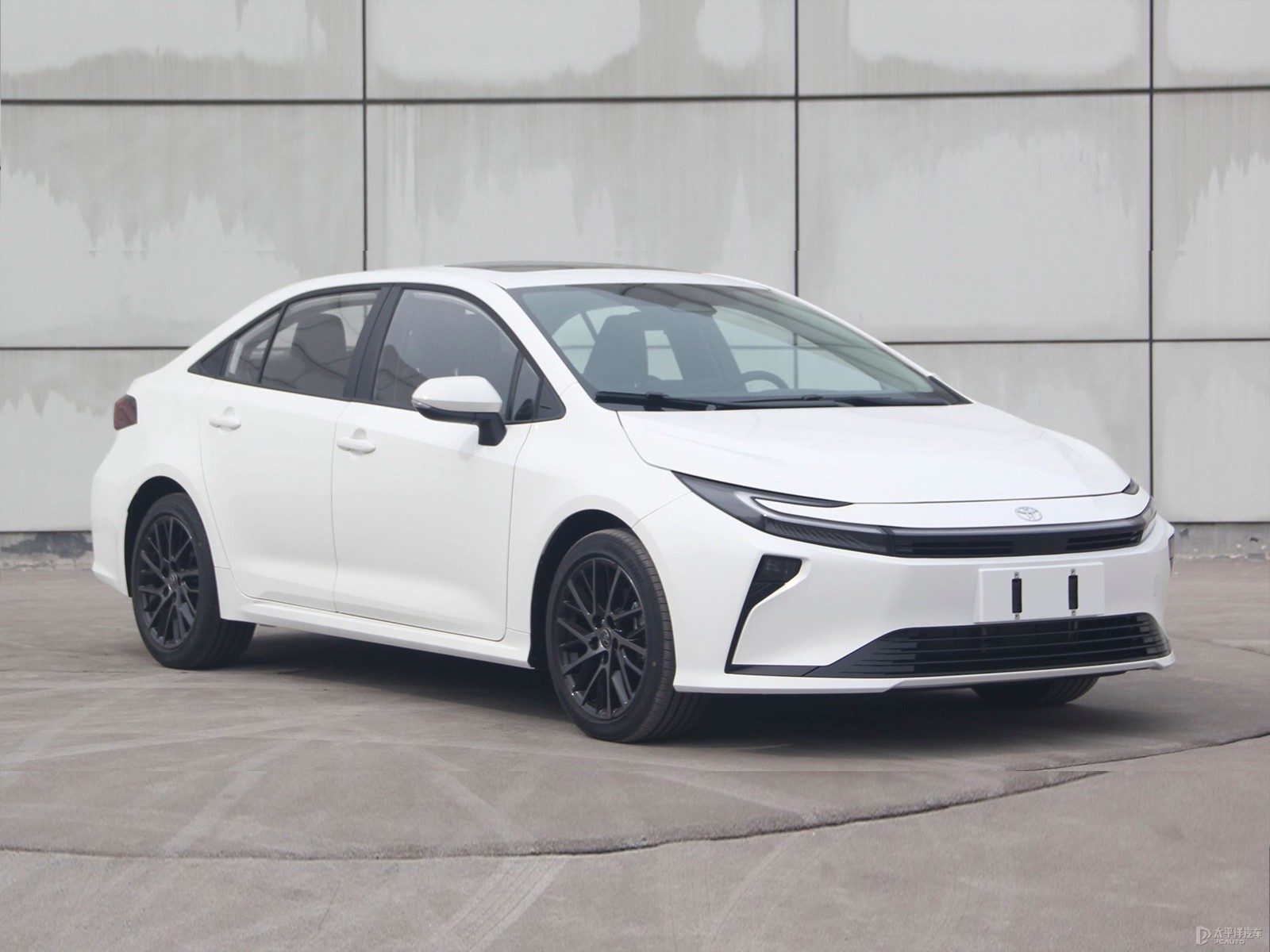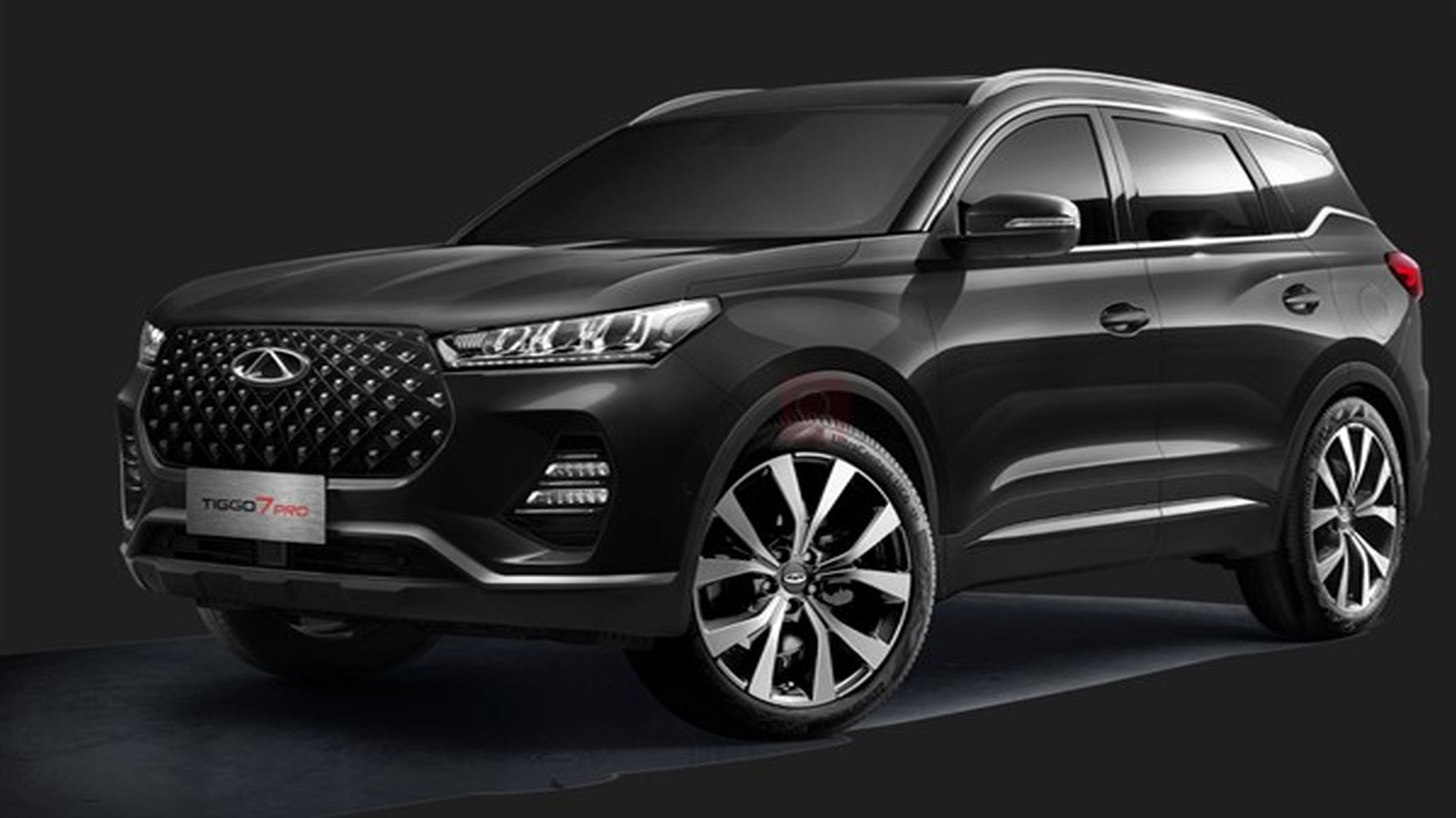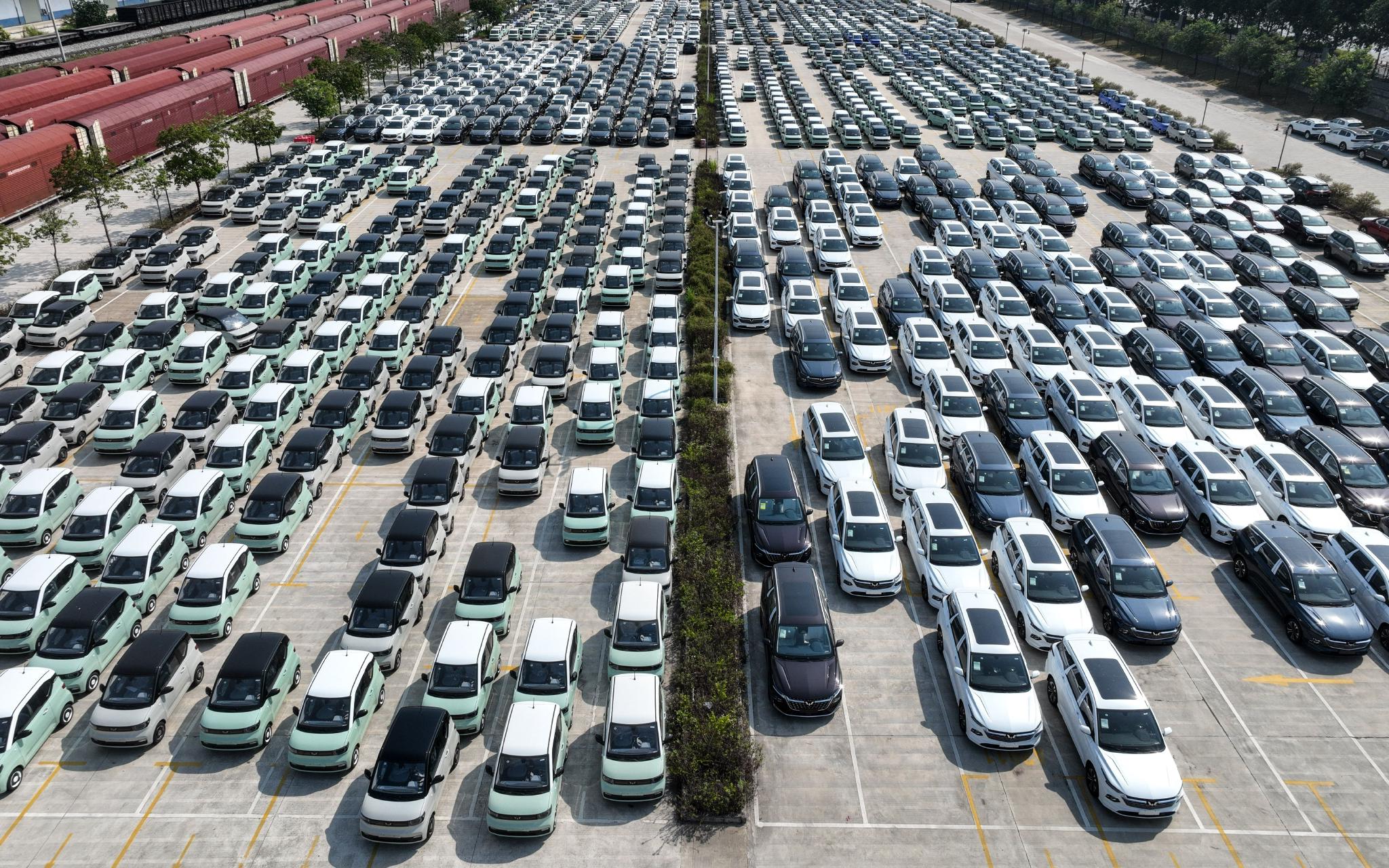
Ethiopia is the first country in the world to ban the import of internal combustion engine vehicles. Since February 2024, only electric vehicles (EVs) can enter the country — a policy still in force in 2026, driven by foreign-currency shortages and a ~$6 billion annual fuel-import bill. That makes Ethiopia one of the most unique and fast-growing EV markets for Chinese exporters, because almost the entire vehicle fleet (about 85% of ~100,000 annual imports are used vehicles) is now electric.
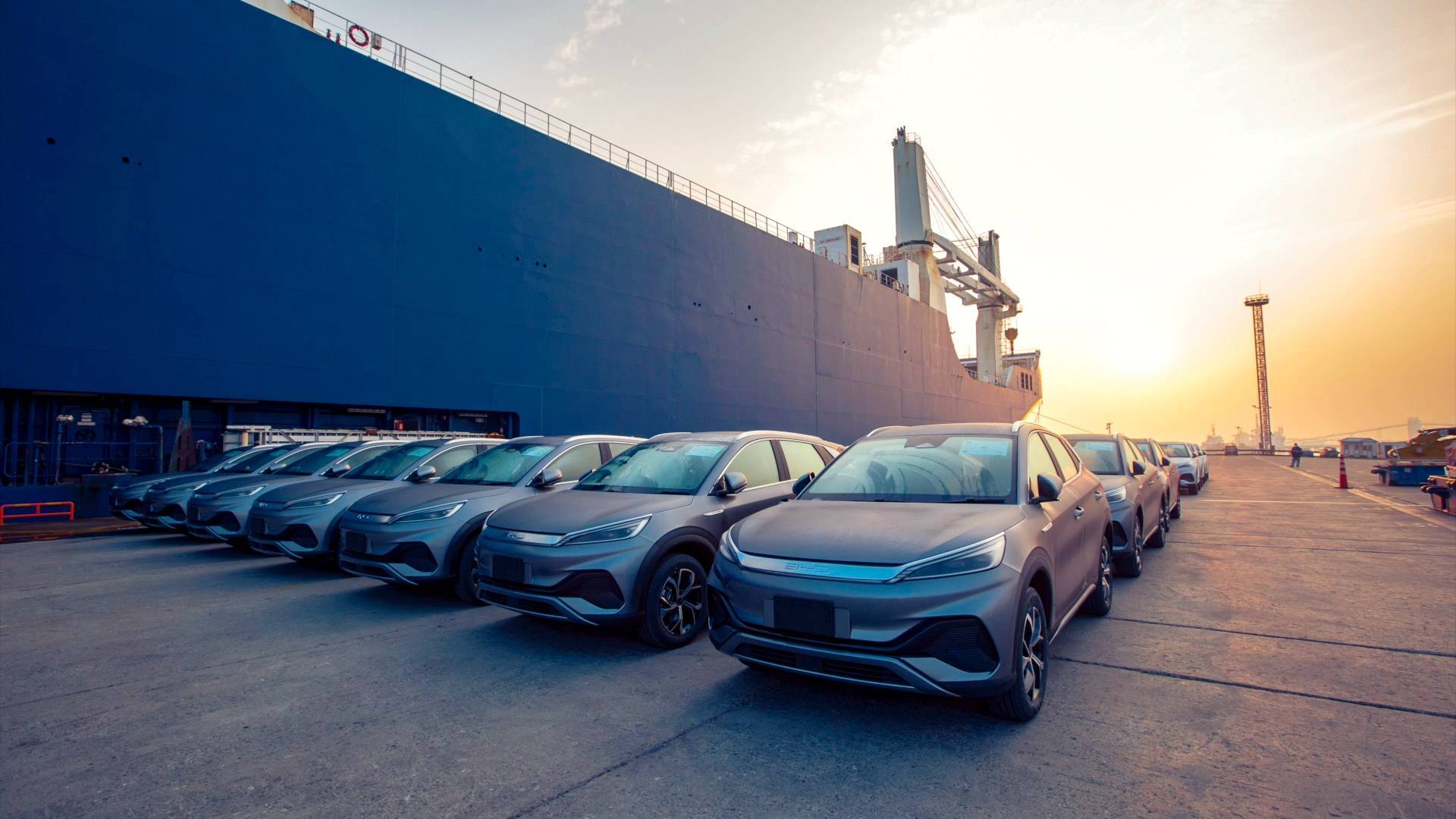 The opportunity is real, but so are the obstacles: no direct seaport, strict EV documentation, and a hard currency problem that can sink a deal if you don’t structure payment carefully. This guide covers the 2026 rules end to end.
I. Import Process from China to Ethiopia
Step 1: Vehicle Selection and Supplier Verification
The market is EV-only — every decision starts there:
- Fuel vehicles are banned — diesel/petrol cars, even new, cannot be imported.
- No official age limit on used EVs, but for vehicles older than ~5 years, order a battery State of Health (SOH) report before purchase — degradation is the biggest risk in used electric imports.
- Left-hand drive only; right-hand drive is banned.
- The vehicle should carry a UN R136 battery-safety certificate and a charging-compatibility declaration — required for EV clearance.
When sourcing from China:
- Prefer EV brands with strong presence and service in Ethiopia: BYD (locally assembled and serviced), plus Geely, Wuling, Changan, JAC and Dongfeng electric lines.
- For used EVs, request battery SOH, charging-cycle history and full accident/flood checks.
- Confirm the model is importable and supportable locally (spare parts, charging compatibility) before committing.
Step 2: Document Preparation
For export from China:
- Commercial invoice and packing list
- Bill of Lading (must state VIN, engine/motor number, engine cc, year of manufacture)
- Original certificate of title and registration
- Purchase invoice
- Certificate of Origin (COO)
- UN R136 battery safety certificate (for EVs)
- Charging compatibility declaration
- Pre-shipment inspection certificate (recommended)
For import into Ethiopia:
- ECTN (Electronic Cargo Tracking Note) — mandatory and must be obtained before vessel departure; missing it means fines or rejection
- Import license (subject to foreign-currency approval)
- Authorization from the Road Authority / Transport & Communication Ministry
- Driver’s license and international insurance (green card)
- Battery recycling agreement with a local Ethiopian company (EV-specific requirement)
Step 3: Logistics and Shipping
Ethiopia is landlocked — all vehicles arrive via Port of Djibouti and are trucked ~900 km inland to Addis Ababa:
| Method | Best For | Approx. Time | Key Notes |
|---|---|---|---|
| Ro-Ro to Djibouti | Volume | 25–35 days | Then ~3–7 days road to Addis; plan inland haulage. |
| Container shipping | High-value EVs, small batches | 30–40 days | Better protection for battery systems; higher cost. |
Indicative shipping & inland cost per vehicle (China → Addis Ababa):
- Domestic haulage in China: $200–$400
- Ocean freight to Djibouti: $1,200–$2,500 (Ro-Ro)
- Port handling at Djibouti + road transport to Addis: $800–$1,800
- Marine insurance: ~0.3%–0.5% of vehicle value
- Total ≈ $2,200–$5,700 per vehicle landed in Addis
Step 4: Customs Clearance and Tax Payment
Taxes are cascaded on the CIF value, and EVs enjoy a privileged regime:
| Tax Component | EV Rate | Notes |
|---|---|---|
| Customs duty (CBU / fully built) | 15% | Some formulations cite 5% for CKD kits. |
| Customs duty (CKD / semi-assembled) | 5% | Incentive for local assembly. |
| Excise tax | 5% (vs 30–100% for fuel cars) | |
| VAT | 15% | Some guides report EV VAT exemption — confirm. |
| Surtax | 10% | |
| Withholding tax / Social welfare levy | 3% + 3% |
Bottom line: depending on the formulation your agent applies, a used EV may pay only ~15% customs duty (CBU) with excise/VAT/surtax reduced or exempt — versus 100%+ effective taxes on the old fuel-car route. Confirm the exact EV tax treatment with your customs agent, as official formulations differ across sources.
Worked example — a used BYD Dolphin (2023) with a CIF value of $18,000, assessed at 15% CBU duty:
- Customs duty = 15% × $18,000 = $2,700
- If VAT (15%) applies on CIF + duty: 15% × $20,700 = $4,105
- Total ≈ $2,700–$5,805 depending on the VAT/excise treatment
Step 5: Registration and Charging
- Pass customs clearance with the full EV documentation package.
- Register with the local transport authority (needs the Road Authority authorization).
- Charging: the government plans 500 new fast-charging stations, focusing on the Addis Ababa–Djibouti corridor. For buyers outside charging zones, portable chargers and home charging are common workarounds.
II. Recommended Models for Import to Ethiopia
EV-only, focused on brands with local service support:
| Category | Recommended Model (from China) | Why it sells |
|---|---|---|
| Entry EV | BYD Seagull / Dolphin (2023–2025) | BYD is locally assembled/serviced; best value and support. |
| SUV EV | BYD Yuan Plus / Song Plus | Family + commercial use; rising demand. |
| Compact EV | Wuling, Geely, Changan electric lines | Cost-effective, growing network. |
| Commercial EV | JAC / Dongfeng electric trucks & buses | Infrastructure and logistics demand; CKD assembly incentives. |
| Used EV (for value buyers) | Any 2023–2025 EV with verified battery SOH | ~85% of the market is used; battery health decides resale. |
III. Key Considerations for Importing Used EVs
- The fuel ban is total — do not attempt to import a petrol/diesel car; it will be refused at the border.
- Payment before shipping — Ethiopia has severe foreign-currency shortages. Require payment in USD via T/T or L/C before shipment, and use verified channels. This is the #1 deal-killer in this market.
- ECTN before departure — one missing certificate can sink the whole shipment.
- Battery SOH is everything — for used EVs, verify battery health and charging compatibility before buying in China.
- Landlocked logistics — budget for Djibouti port plus inland trucking; timelines run 4–8 weeks in total.
IV. Conclusion
Ethiopia is the world’s first all-electric import market — a unique, growing opportunity for Chinese EV exporters. The winners will ship LHD, battery-verified EVs (BYD and other supported brands), handle ECTN and EV documentation before departure, and — above all — structure secure USD payment before shipping.
UsedAutoX sources quality electric vehicles in China, handles export documentation and ECTN support, and arranges shipping via Djibouti with inland haulage to Addis Ababa. Contact us on WhatsApp for a tailored quote and current EV availability.
- WhatsApp: +86 19867613950
- Email: sales@usedautox.com