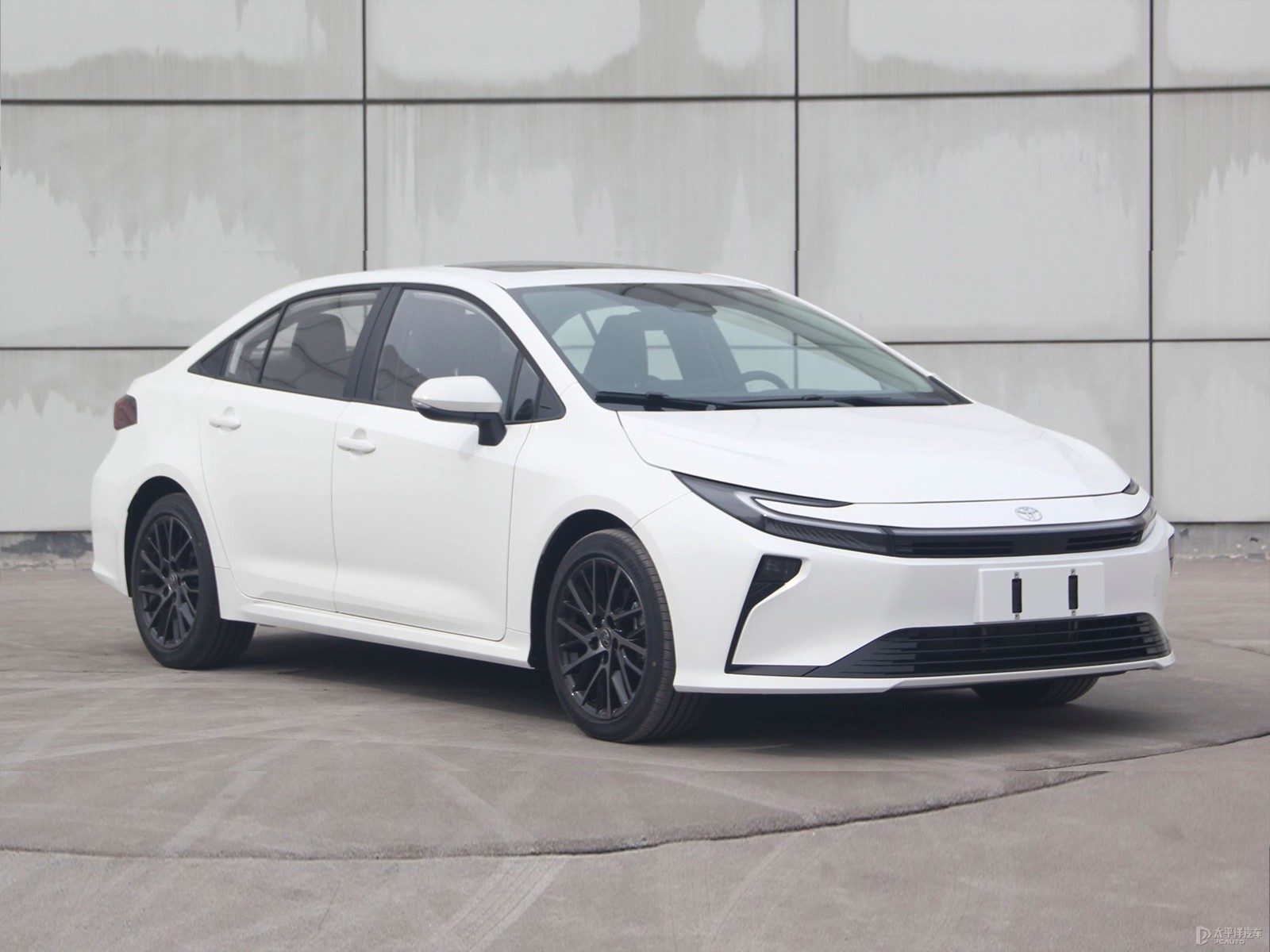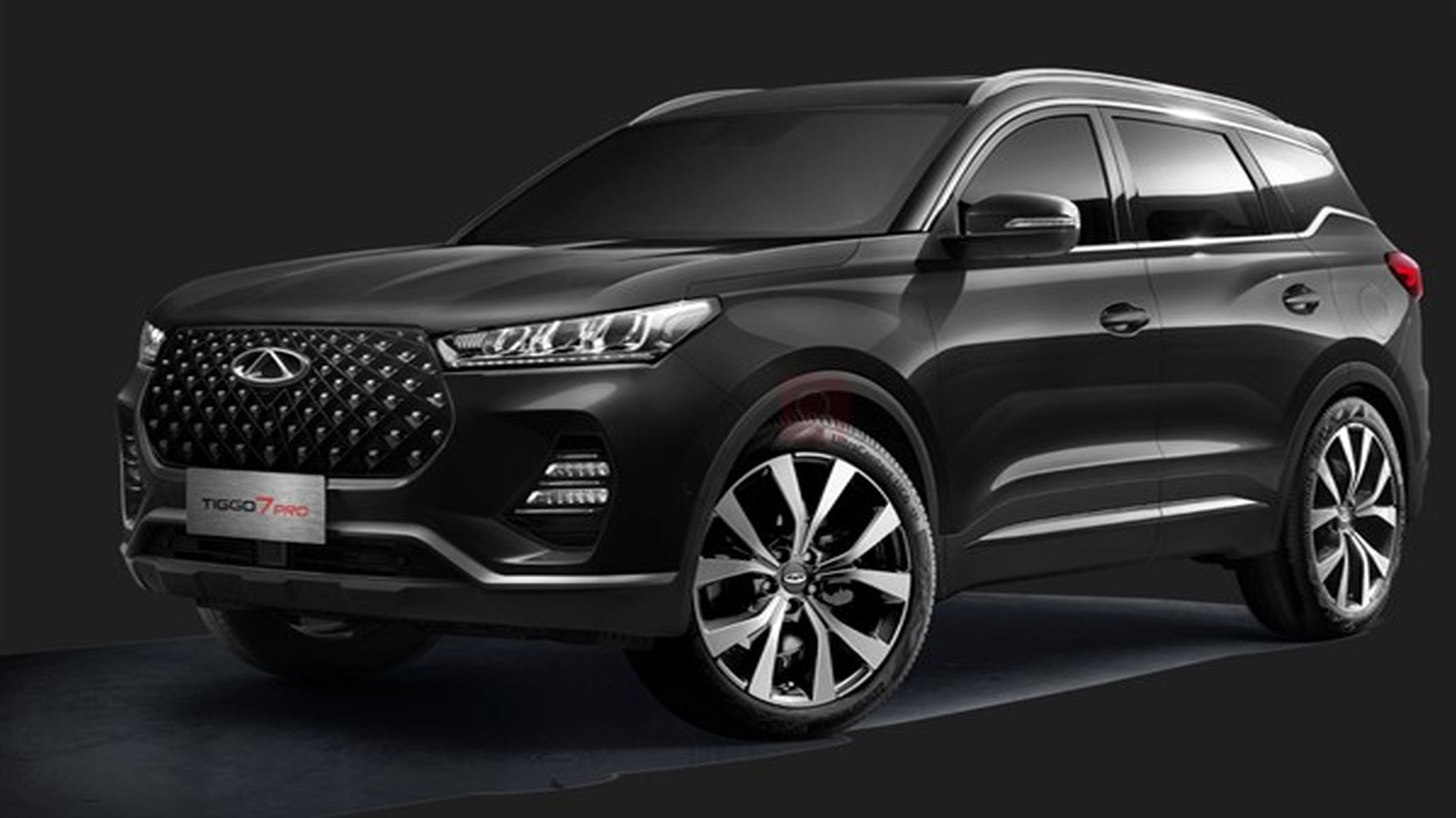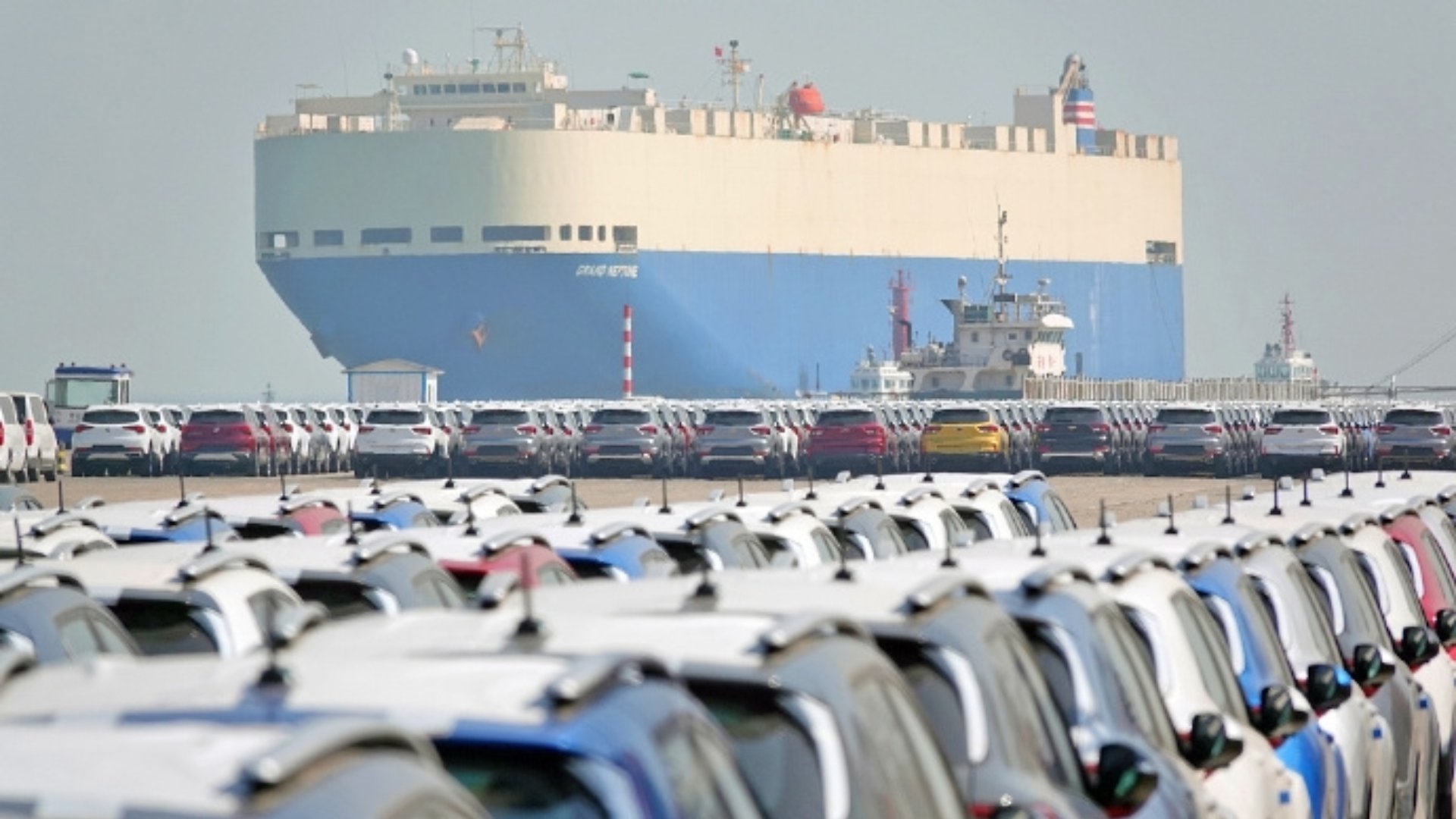
Nigeria is Africa’s largest used-car import market — over 200 million people, a powerful appetite for Japanese cars, and a big rate cut that took effect in July 2026. For the first time in years, importing a car into Nigeria just got significantly cheaper, making it one of the most attractive destinations in Africa for Chinese exporters and dealers.
This guide covers the 2026 rules: age limits, the new tax structure, required documents (Form M, SONCAP, VehCAP), shipping, and the models that move fastest.
I. Import Process from China to Nigeria
Step 1: Vehicle Selection and Supplier Verification
Nigeria enforces a strict 12-Year Rule and a left-hand-drive requirement:
- Age limit: used vehicles must be manufactured 2014 or newer (i.e., no older than 12 years). Vehicles beyond the limit face VIN valuation penalties or seizure as scrap.
- Accident rebate: a 30% accident allowance applies only to 2017–2026 model years. 2014–2016 models are assessed at the full clean rate.
- Steering: left-hand drive only — right-hand drive vehicles are strictly prohibited.
- Sweet spot after the July 2026 tax cut: used 1.6–2.0L, 3–8-year-old sedans/SUVs are the most cost-effective imports from China (see Step 4 for why).
When sourcing from China:
- Prioritize 2017+ vehicles with clean history (accident reports, flood checks, odometer records).
- Verify the model’s NCS-assessed VIN value before buying — Nigeria Customs does not use your invoice price; it assigns its own fixed dollar value to each VIN (often 20–50% above your invoice), and that figure drives all your charges.
- Confirm VehCAP certification is obtainable for the exact model before shipment.
Step 2: Document Preparation
For export from China:
- Commercial invoice and packing list
- Bill of Lading or Air Waybill
- Original vehicle registration and title
- Technical specification sheet (VIN, engine number, etc.)
- Certificate of Origin (COO)
- Pre-shipment inspection certificate (recommended)
For import into Nigeria:
- Form M — mandatory electronic import document, obtained through an authorized dealer bank or the official trade platform (valid 180 days, extendable)
- Pre-Arrival Assessment Report (PAAR)
- SONCAP certificate — since March 2026, SONCAP applications are submitted only through the Nigeria Single Window (NSW) at nsw.gov.ng; the PC/SC must be activated there for Form M, PAAR and customs clearance
- VehCAP pre-shipment certification — mandatory for all vehicles; without it the vehicle cannot clear customs (90-day transition allows destination-port inspection instead, but certification before shipment is the safe route)
- Bill of Lading / Airway Bill
- Insurance certificate
- NCS Customs Declaration (Single Goods Declaration) + VREG registration linked to your TIN
Step 3: Logistics and Shipping
Main ports: Tin Can Island and Apapa (Lagos), plus the newer Lekki Deep Sea Port:
| Method | Best For | Approx. Time | Key Notes |
|---|---|---|---|
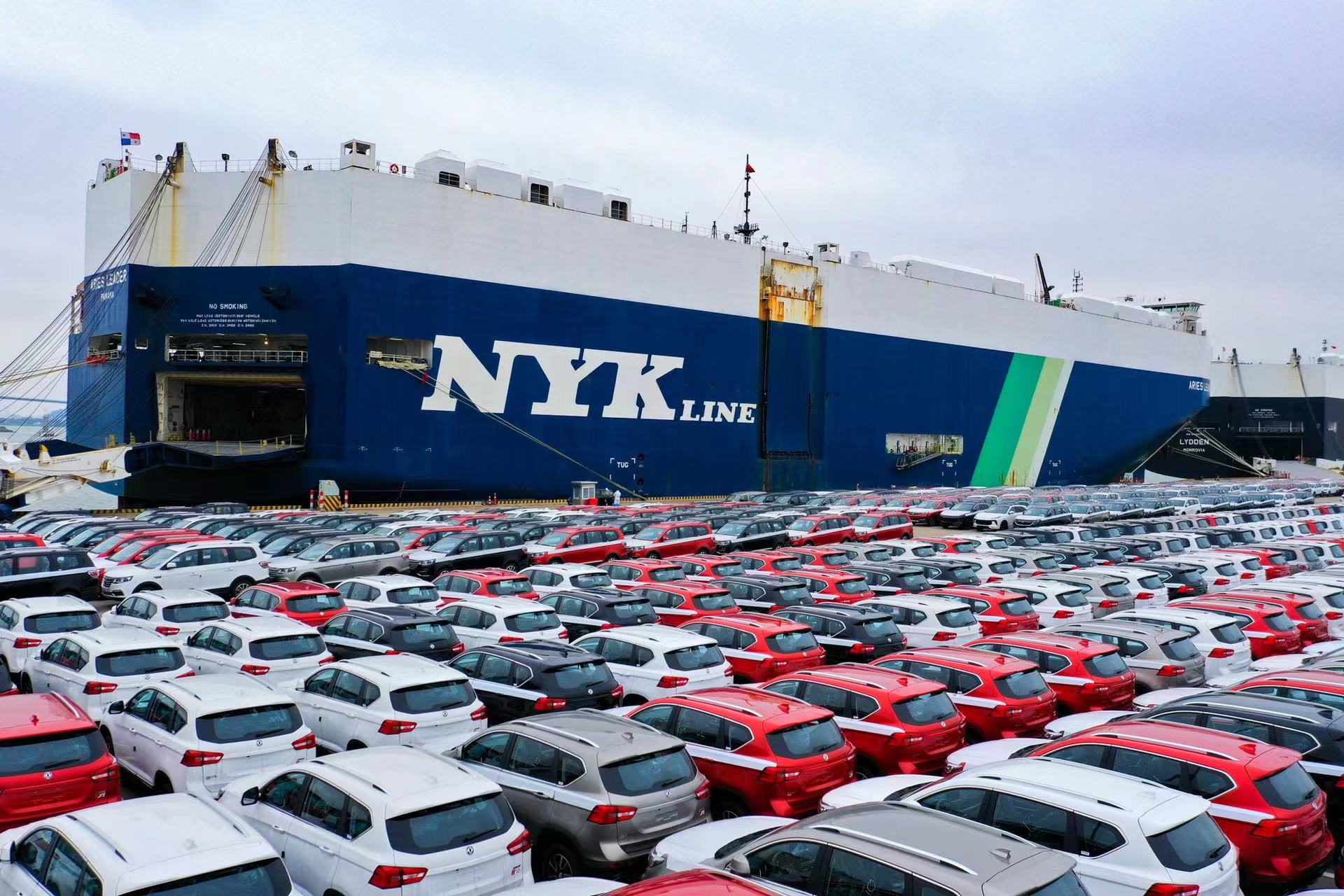
| Ro-Ro | Standard cars, volume | 30–45 days | Most economical for vehicles; frequent Nigeria routes. |
| Container shipping | High-value cars, small batches | 35–50 days | Better protection; higher cost per unit. |
Indicative shipping cost per vehicle (China → Lagos):
- Domestic haulage in China: $200–$400
- Ocean freight: $1,200–$2,200 (Ro-Ro)
- Port handling & documentation: $500–$900
- Marine insurance: ~0.3%–0.5% of vehicle value
- Total shipping & handling: roughly $1,900–$5,500 per vehicle
Step 4: Customs Clearance and Tax Payment
The big 2026 change: under Nigeria’s Fiscal Policy Measures (signed April 2026, in force from July 1, 2026), the comprehensive tax rate for fully-imported passenger cars, SUVs and station wagons (including used cars) fell from 70% to 40% — a ~43% reduction.
On top of the 40% comprehensive rate, a new green tax (engine displacement tax) applies:
| Engine Size | Green Tax |
|---|---|
| Under 2000cc | 0% (exempt) |
| 2000–3999cc | +2% |
| 4000cc and above | +4% |
VAT of 7.5% applies on top of the combined total.
Worked example — a used 2018 Toyota Corolla (1.6L) with a CIF value of $8,000:
- Comprehensive import tax = 40% × $8,000 = $3,200
- Green tax (1.6L, exempt) = $0
- VAT = 7.5% × ($8,000 + $3,200) = $840
- Total import charges ≈ $4,040 (~50% of CIF)
⚠️ VIN valuation warning: Nigeria Customs values vehicles through its automated VIN database, not your invoice. If the system values your Corolla at $10,000 instead of $8,000, every charge above scales up. Research the NCS-assessed value of your target model before you buy.
Pre-July-2026 shipments may still be assessed under the old itemized structure (duty + NAC levy + surcharge + ETLS + VAT ≈ 42–49%). Confirm which regime applies to your shipment.
Step 5: SONCAP/VehCAP Compliance and Registration
- SONCAP certification — obtain PC/SC via the Nigeria Single Window before clearance.
- VehCAP pre-shipment certification — completed in the country of origin before shipping.
- Customs clearance — with Form M, PAAR, SONCAP, and your declaration via the NSW.
- VREG registration — register the vehicle in the National Vehicle Registry and link to your TIN.
II. Recommended Models for Import to Nigeria
Nigeria favors reliable Japanese cars with cheap parts; the July 2026 tax cut favors 1.6–2.0L models:
| Category | Recommended Model (from China) | Why it sells |
|---|---|---|
| Sedan | Toyota Corolla / Camry (2017–2023) | Nigeria’s best sellers; parts everywhere; 1.6–2.0L fits the green-tax sweet spot. |
| Sedan | Honda Civic / Accord (2017–2023) | Strong demand in Lagos and the South. |
| SUV | Toyota RAV4 / Highlander | Family + commercial use; strong resale. |
| Full-size SUV | Toyota Prado (2017–2023) | High-end segment; big margins. |
| Pickup truck | Toyota Hilux | Infrastructure, farms, security; always in demand. |
| Chinese value (rising) | Changan CS series, Geely, BYD sedans/SUVs | Spec-per-dollar is growing; newer Chinese models clear the 2017+ window. |
III. Key Considerations for Importing Used Cars
- Age and valuation — stick to 2017+ models to keep the accident rebate and avoid age-related valuation hikes. Beyond 12 years, the vehicle risks seizure.
- The VIN valuation is the wildcard — budget based on the NCS-assessed value, not your invoice, or landed costs can jump 20–50%.
- Certification order matters — VehCAP must be done before shipment; SONCAP must be activated on the NSW platform. Both before you book freight.
- Green tax favors small engines — a 2.0L sedan clears the tax sweet spot; a 4.0L Land Cruiser carries +4%.
- Payment risk is real — Nigeria has a high fraud rate. Trade with verified buyers, require full payment or an L/C, and use escrow/verified channels. Do not ship on promises.
IV. Conclusion
Nigeria’s 2026 rate cut turned one of Africa’s biggest used-car markets into one of its most cost-effective import destinations. The winners will source 2017+ left-hand-drive Japanese sedans/SUVs in the 1.6–2.0L range, nail Form M + SONCAP + VehCAP before sailing, and never lose sight of the NCS VIN valuation.
UsedAutoX sources quality used cars in China, handles export documentation and conformity support, and arranges shipping to Lagos (Tin Can / Apapa / Lekki). Contact us on WhatsApp for a tailored quote and current 2017+ availability.
Related guides:
- How to Import Cars from China to Saudi Arabia
- How to Import Cars from China to UAE
- How to Import Cars from China to Iraq
- How to Import Cars from China to Ethiopia
- How to Import Cars from China to Costa Rica