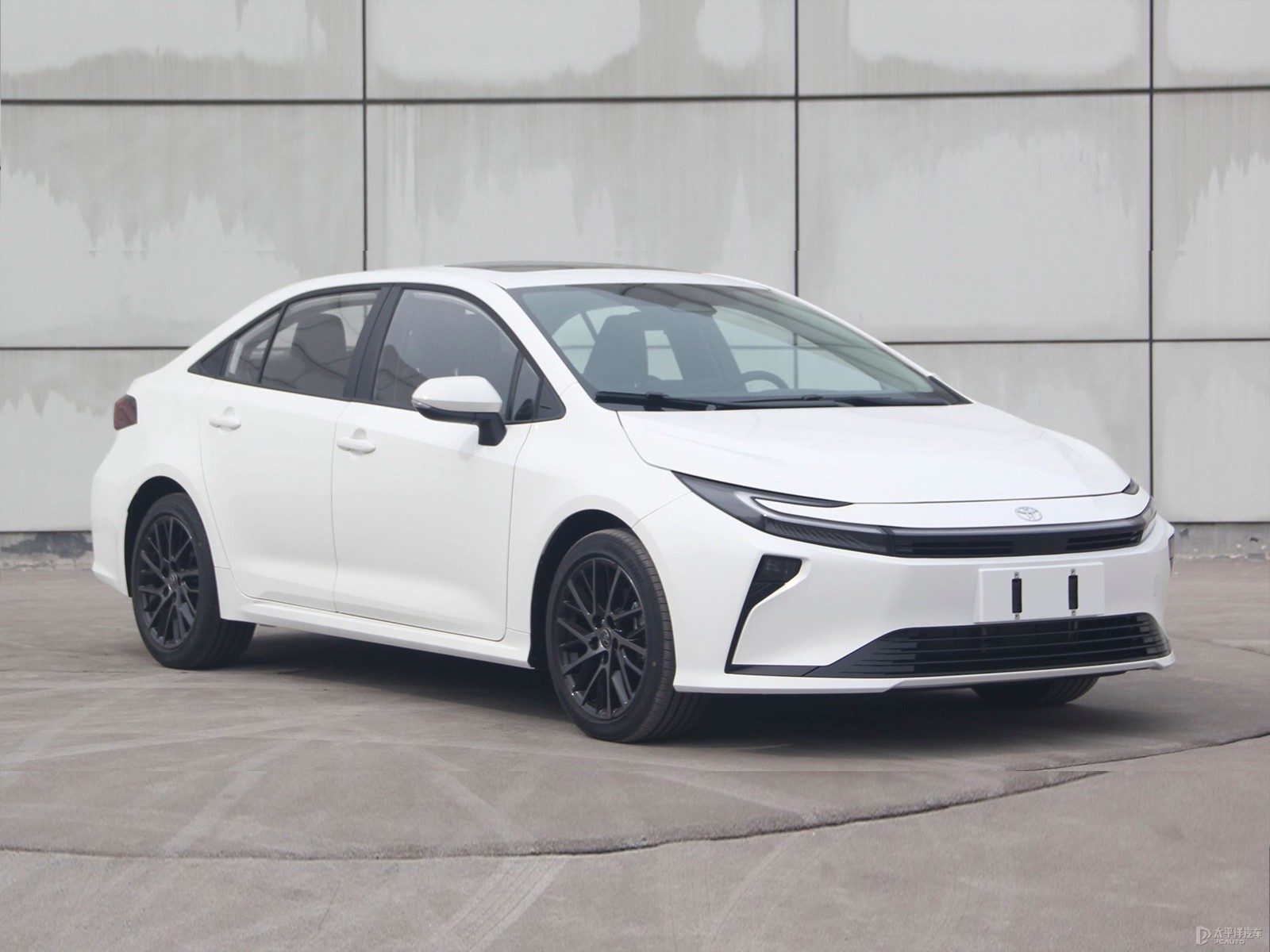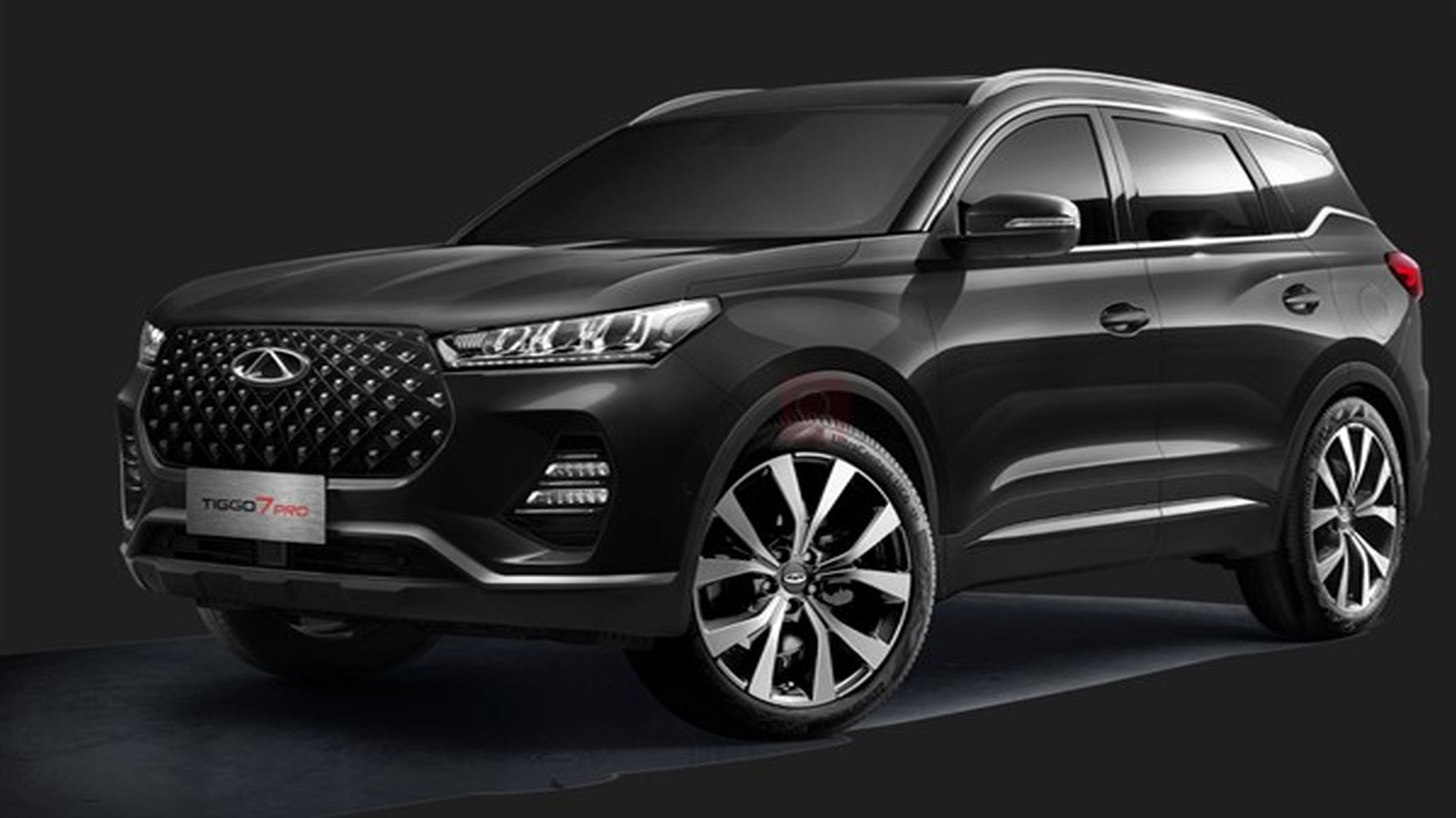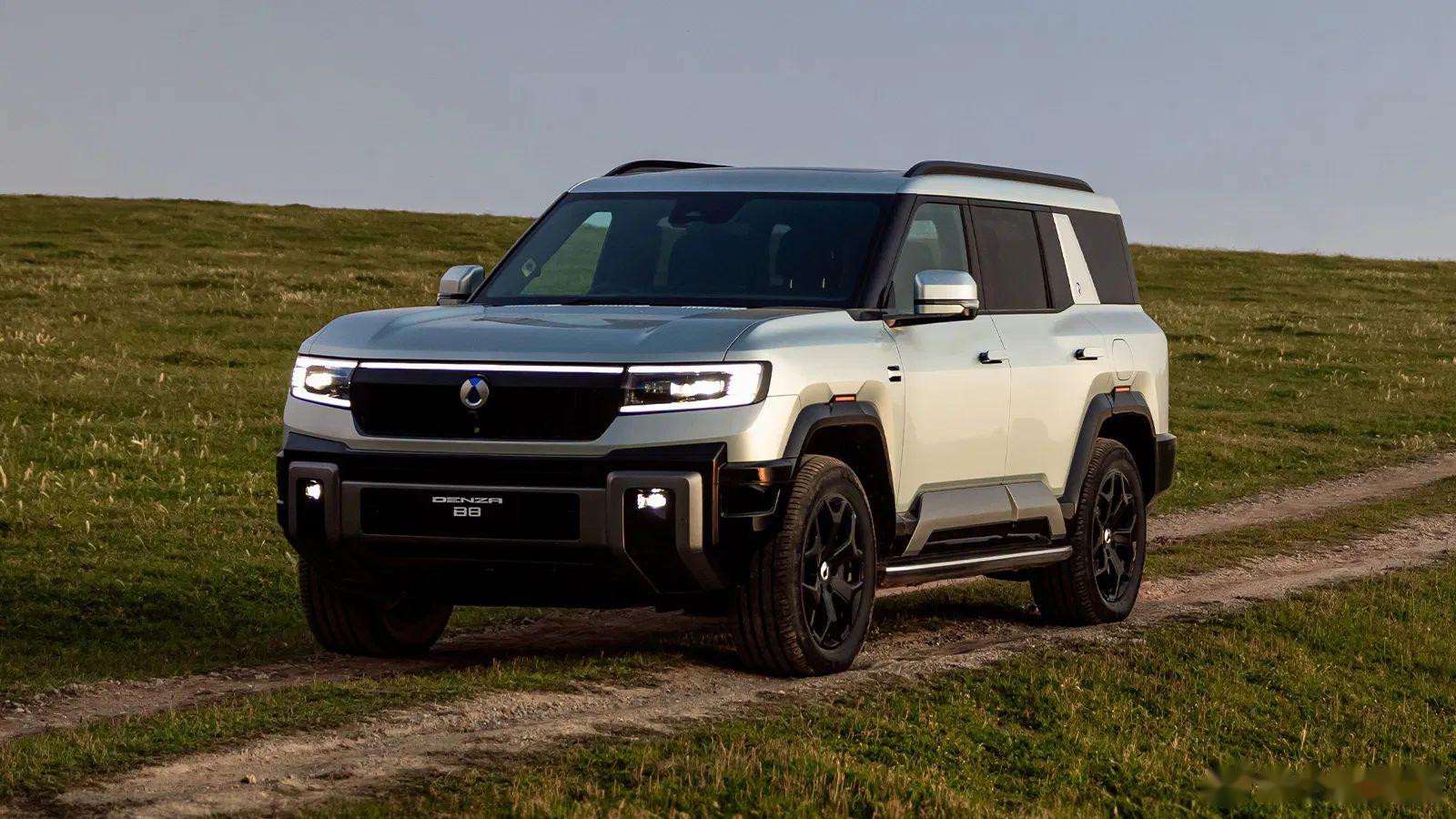
Saudi Arabia is the largest auto market in the Middle East and one of the most attractive routes for Chinese car exporters. Since 2018 the Kingdom has allowed personal and commercial imports of used cars, and Vision 2030’s infrastructure boom has kept demand for vehicles strong. But Saudi is also one of the strictest import destinations in the Gulf — getting the age rule, the conformity certificates and the paperwork wrong can cost you the entire shipment.
This guide covers everything you need: regulations, documents, shipping, taxes, conformity, and the models that sell.
I. Import Process from China to Saudi Arabia
Step 1: Vehicle Selection and Supplier Verification
Saudi enforces a strict “5-Year Rule” — this is the most important thing to understand:
- Age limit: used passenger cars and light vehicles must be no older than 5 model years. For a 2026 import, the vehicle must be 2021 or newer. The current year is excluded; a 2020 model will be refused at the port.
- Heavy trucks (over 3.5 tons) also face age limits — confirm the current threshold with your agent.
- Classic cars (30+ years) are exempt but require separate assessment.
When sourcing from China, this means:
- Prioritize recent-year vehicles with clean ownership history and original purchase invoices.
- Verify history: accident reports, flood damage, odometer records, VIN integrity. Salvage, flood/fire-damaged, structurally damaged, and former taxi/police vehicles are banned, as are RHD or RHD-converted-to-LHD cars.
- Confirm the model is SASO-compliant and GCC-spec (GCC/Euro 6b clears more smoothly).
- Keep the original purchase invoice and a clean ownership trail — Saudi customs can double the duty if trustworthy documents can’t be provided.
Step 2: Document Preparation
For export from China:
- Commercial invoice with the declared vehicle value
- Bill of Lading or Air Waybill
- Original vehicle registration and title (ownership documents)
- Technical specification sheet (VIN, engine number, etc.)
- Certificate of Origin (COO)
- Pre-shipment inspection certificate (recommended)
For import into Saudi Arabia:
- National ID or Iqama (or a licensed importer as consignee)
- Purchase invoice and clean ownership trail
- Bill of Lading
- SASO Product Certificate of Conformity (PC) — obtained before shipment
- SABER Shipment Certificate of Conformity (SC) — filed on the SABER platform; customs will not release the vehicle without it
- Certificate of Origin
- Insurance certificate
⚠️ EV note: electric vehicles cannot obtain a pre-clearance certificate abroad — they must undergo on-arrival inspection/testing in Saudi Arabia by a designated local body before customs clearance. Plan extra lead time.
Step 3: Logistics and Shipping
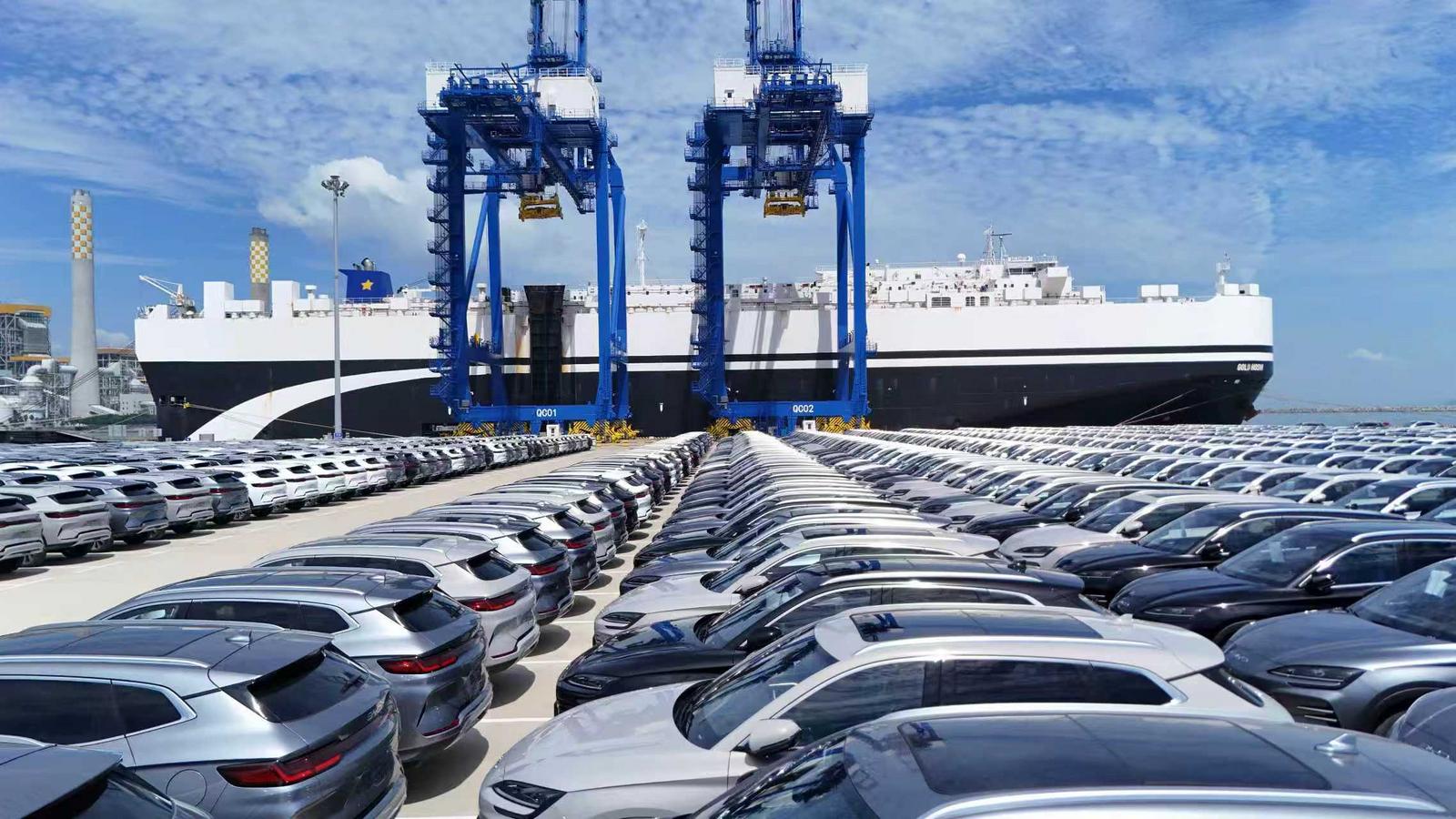
Main gateways are Jeddah Islamic Port (Red Sea) and King Abdulaziz Port, Dammam (Gulf coast):
| Method | Best For | Approx. Time | Key Notes |
|---|---|---|---|
| Ro-Ro | Standard cars, volume | 20–30 days | Most economical for vehicles; Jeddah/Dammam routes are well established. |
| Container shipping | High-value cars, small batches, EVs | 25–35 days | Better protection; EVs need extra handling/documentation. |
Indicative shipping cost per vehicle (China → Saudi):
- Domestic haulage in China: $200–$400
- Ocean freight: $800–$1,800 (Ro-Ro)
- Port handling & documentation: $300–$600
- Marine insurance: ~0.3%–0.5% of vehicle value
- Total shipping & handling: roughly $1,300–$3,800 per vehicle
Step 4: Customs Clearance and Tax Payment
Saudi applies customs duty + VAT on an age-discounted dutiable value:
- Age discount: the vehicle’s base value is reduced 10% per year of age, capped at 50% total.
- Customs duty: 5% of the discounted value for passenger cars (EVs enjoy a reduced 2.5%). Trucks may be assessed higher.
- VAT: 15% on the discounted value plus the customs duty.
Worked example — a 4-year-old car declared at SAR 120,000:
- Age discount = 4 × 10% = 40% → −SAR 48,000 → dutiable value SAR 72,000
- Customs duty = 5% × 72,000 = SAR 3,600
- VAT = 15% × (72,000 + 3,600) = SAR 11,340
- Total duty + VAT ≈ SAR 14,940 (~12.5% of the original value)
Shipping and insurance are added to the assessed value for duty purposes.
Energy-efficiency penalty: light vehicles carry a SASO fuel-economy rating. A car failing the energy-efficiency standard faces a penalty of 20–50% of its value (min. SAR 20,000) — check fuel consumption before you commit.
Step 5: SASO/SABER Conformity, Inspection and Registration
- SASO conformity — the vehicle must meet Saudi technical standards (safety equipment, lighting, emissions, regional specs), evidenced by a conformity certificate.
- SABER platform — file the Product Certificate (PC) before shipment and the Shipment Certificate (SC) before customs release.
- Fahes technical inspection — after conformity, the vehicle must pass the local periodic inspection.
- Registration & plates — with your customs, conformity and inspection documents.
II. Recommended Models for Import to Saudi Arabia
Saudi buyers favor large-displacement, high-resale vehicles (fuel is cheap):
| Category | Recommended Model (from China) | Why it sells |
|---|---|---|
| Full-size SUV | Toyota Land Cruiser (2021–2025) | The Gulf benchmark; premium resale. |
| SUV | Toyota Prado / Nissan Patrol | Desert reliability, strong demand. |
| Pickup truck | Toyota Hilux / Ford Raptor | Infrastructure and business use. |
| Sedan | Toyota Camry / Corolla (2021–2025) | Fleet favorite, strong resale. |
| Luxury | Lexus ES / Mercedes (GCC-spec) | High-income buyers; big margins. |
| Chinese value SUV | BYD Song/Tang, Changan CS series, Geely Monjaro, Chery Tiggo 8 | Spec-per-dollar is winning market share. |
| Electric | BYD Atto 3 / Han | 2.5% reduced duty + strong incentives; plan for on-arrival EV testing. |
III. Key Considerations for Importing Used Cars
- The 5-Year Rule decides everything — source only 2021+ (for 2026) left-hand-drive cars with clean history. Older stock is a write-off in Saudi.
- Documentation discipline — missing or untrustworthy purchase documents can double the duty. Keep the full ownership trail from the factory agent.
- Conformity before shipment — confirm SASO/GCC compliance and file the SABER PC before the car leaves China.
- EVs need extra lead time — no pre-clearance abroad; budget for on-arrival inspection in Saudi.
- Worked landed cost — between the 5-year rule and VAT, landed cost can approach local retail prices. Buy at the right price in China or the margin disappears.
IV. Conclusion
Saudi Arabia is a high-value, high-margin market — but the strictest rules in the Gulf. Winners source fresh, compliant, GCC-spec cars with full paperwork, and work with a supplier who handles conformity and logistics end-to-end.
UsedAutoX sources quality used cars in China, handles export documentation and conformity support, and arranges shipping to Jeddah or Dammam. Contact us on WhatsApp for a tailored quote and current 2021+ availability.
Related guides:How to Import Cars from China to UAE?
- WhatsApp: +86 19867613950
- Email: sales@usedautox.com