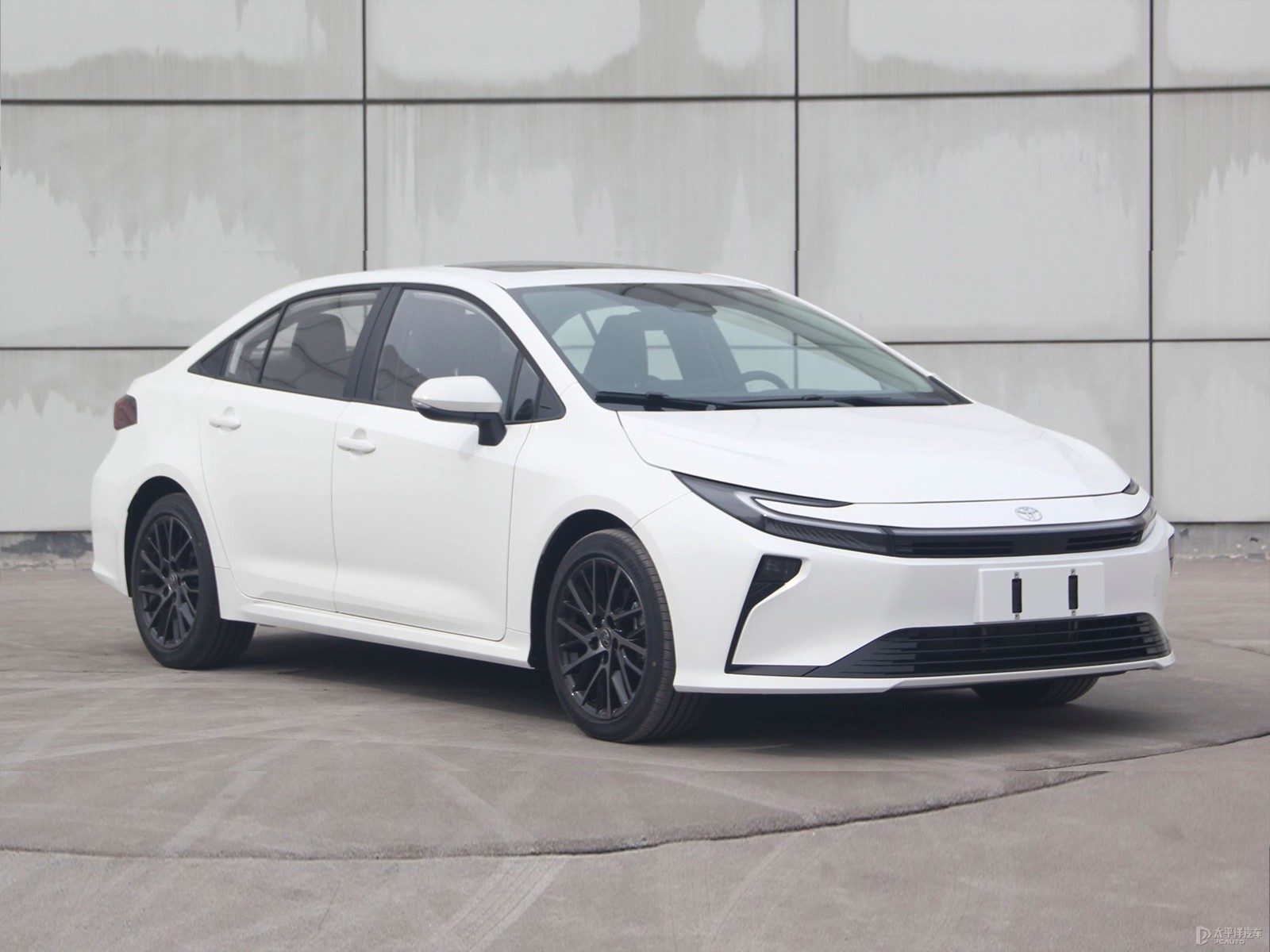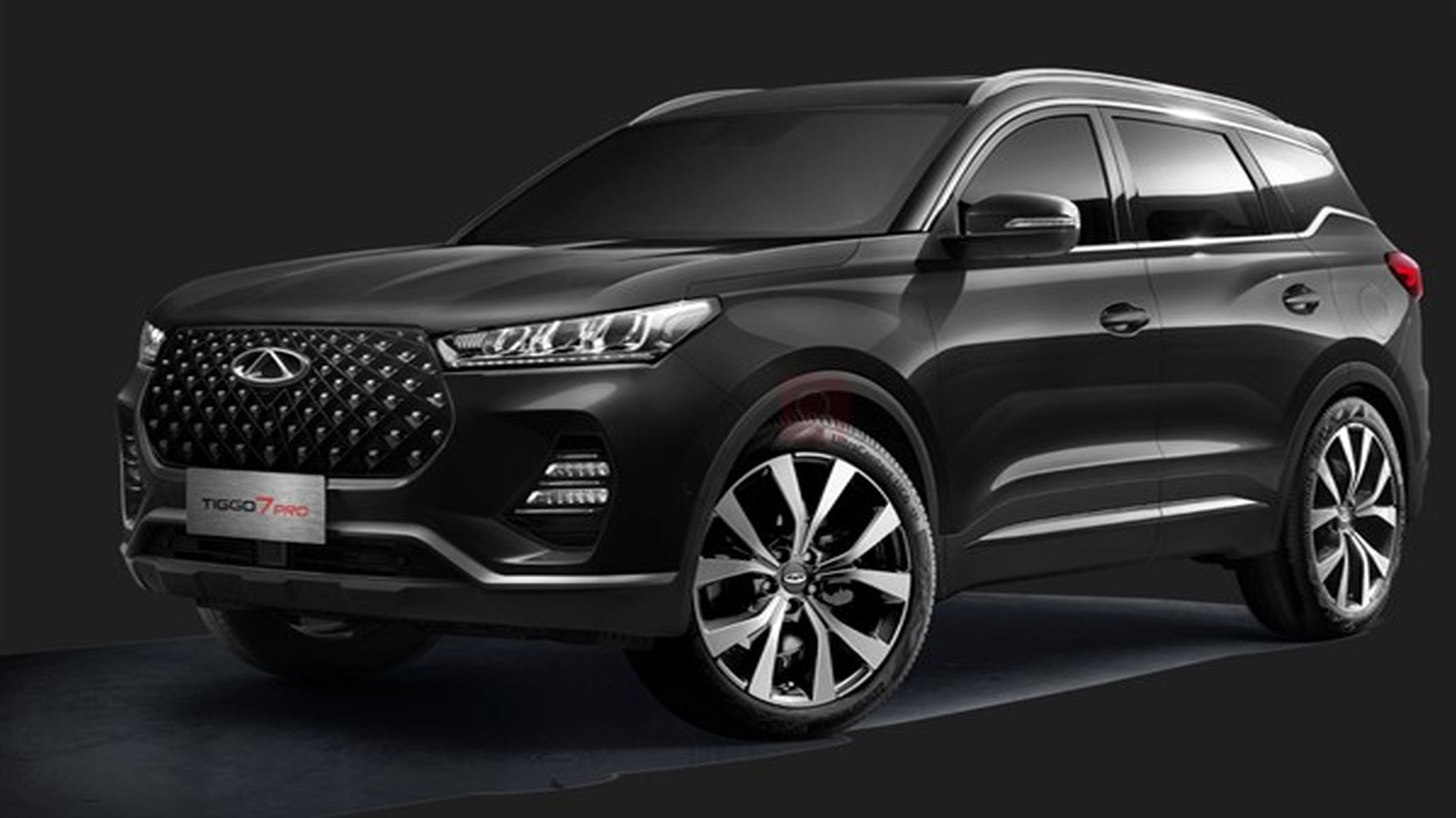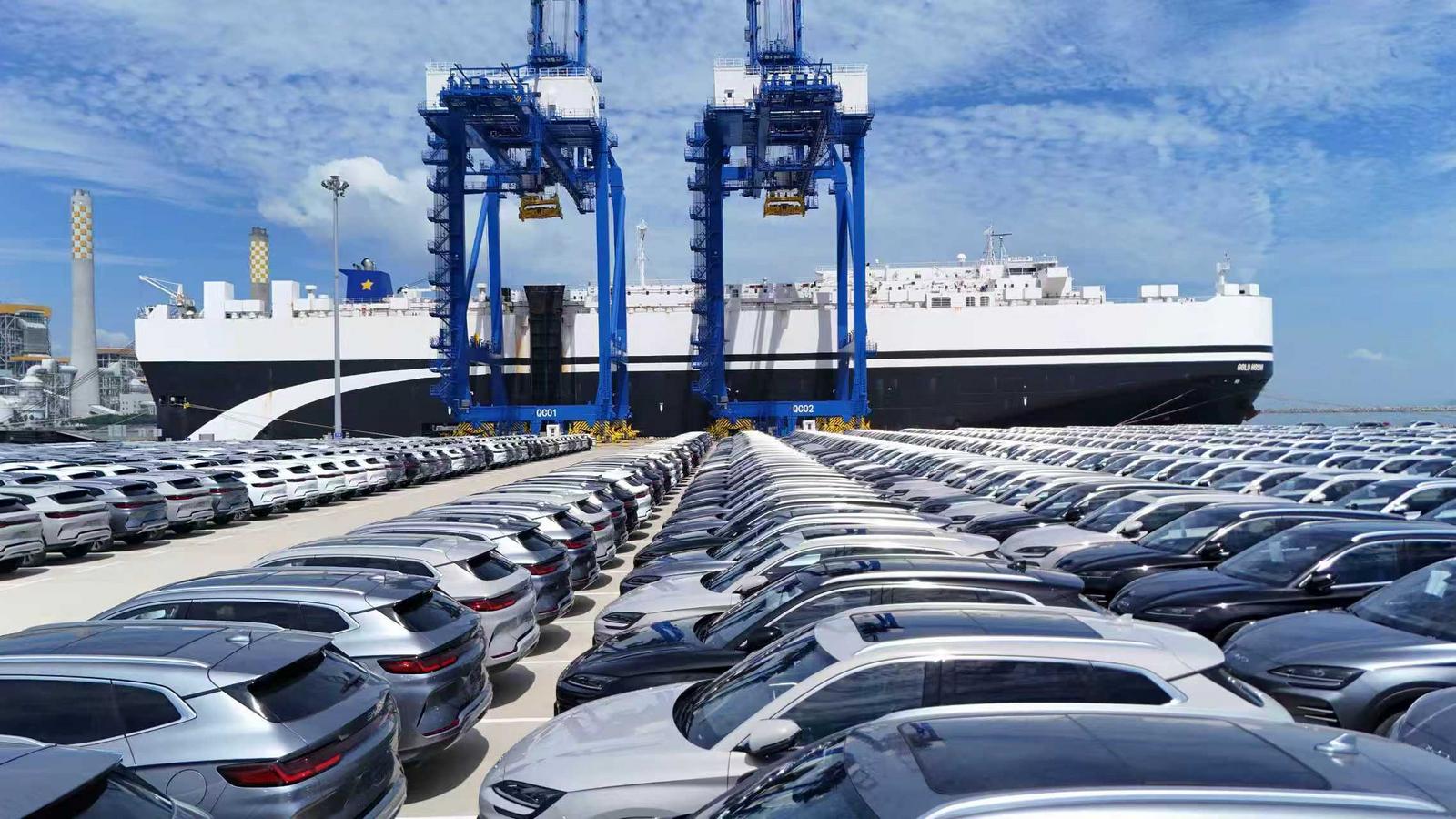
Importing a car from China to the UAE is one of the most profitable routes for dealers and individual buyers alike. Dubai is the region’s largest vehicle hub — many cars imported through Jebel Ali are not only sold locally but re-exported across the Middle East, Africa and Afghanistan. This guide walks you through the full process: regulations, documents, shipping, taxes, registration and the models that sell best.
Whether you are a dealer importing in volume or a first-time buyer, the process is straightforward if you get four things right: the vehicle, the paperwork, the freight, and compliance.
I. Import Process from China to UAE
Step 1: Vehicle Selection and Supplier Verification
The UAE market favors reliable, high-resale-value vehicles, and buyers are price- and condition-sensitive. When sourcing from China:
- Choose models with a proven resale record in the Gulf (see Section II for recommendations).
- Work with exporters who know the UAE route and can provide detailed condition reports, photos and video for used cars.
- Verify vehicle history before shipping: accident reports, flood damage checks, odometer records and OBD diagnostics.
- Confirm the vehicle meets UAE entry criteria:
- Age: not older than 10 years from the year of manufacture (most emirates, incl. Dubai & Abu Dhabi). Confirm the exact limit for your emirate with a licensed clearance agent before purchase. (Note: China’s own used-car export rules may impose a separate age limit on cars leaving China — confirm with your exporter.)
- Steering: left-hand drive only (RHD cars may be imported for re-export/transshipment only).
- Condition: salvage-title, flood/fire-damaged, major structural damage, and ex-taxi/police vehicles are rejected at customs or inspection.
Step 2: Document Preparation
Getting the paperwork right before the vessel sails is the difference between a 3-day clearance and a month of delays.
For export from China:
- Commercial invoice with the declared vehicle value
- Bill of Lading or Air Waybill
- Original vehicle registration and title (ownership documents)
- Technical specification sheet (VIN, engine number, etc.)
- Dual-notarized ownership documents for China-origin exports — required by UAE customs
- Certificate of Origin (COO)
- Pre-shipment inspection certificate (recommended)
For import into UAE:
- Passport / visa / Emirates ID (or a licensed importer as the consignee)
- Commercial invoice and bill of sale
- Bill of Lading
- Certificate of Origin
- Insurance certificate (marine cover)
- Customs declaration filed electronically via the Mirsal 2 system
⚠️ Documentation requirements change. Confirm the current list with your clearance agent in the UAE before shipping.
Step 3: Logistics and Shipping
Two main shipping methods from China to Jebel Ali:
| Method | Best For | Approx. Time | Key Notes |
|---|---|---|---|
| Ro-Ro (Roll-on/Roll-off) | Standard cars, volume | 15–25 days | Cheaper, faster; no container needed. Main gateway: Jebel Ali. |
| Container shipping | High-value cars, small batches, EVs | 20–30 days | Better protection; EVs may require additional declaration. |
Indicative shipping cost per vehicle (from China to Jebel Ali):
- Domestic haulage in China: $200–$400
- Ocean freight: $700–$1,500 (Ro-Ro)
- Port handling & documentation: $300–$600
- Marine insurance: ~0.3%–0.5% of vehicle value
- Total shipping & handling: roughly $1,200–$2,500 per vehicle
Step 4: Customs Clearance and Tax Payment
The UAE levies two taxes on imported vehicles, both based on the CIF value (Cost + Insurance + Freight):
| Tax | Rate | Calculated On |
|---|---|---|
| Customs duty | 5% | CIF value |
| VAT | 5% | CIF + customs duty |
Worked example — a used Toyota Camry purchased at $15,000 with $2,000 freight and $500 insurance:
- CIF value = $17,500
- Customs duty = 5% × $17,500 = $875
- VAT = 5% × ($17,500 + $875) = $919
- Total import tax ≈ $1,794 (~10.3% of CIF)
Other local fees: port handling and clearance agent fees (~$150–$550), plus registration and testing (~$300–$800). In total, expect import-related costs of roughly 12–20% above the vehicle purchase price, excluding shipping.
Note on EVs: new energy vehicles may benefit from tax exemptions in the UAE (reportedly in effect until end of 2026) — confirm current policy with your agent, as this changes frequently.
Re-export: vehicles destined for re-export (including RHD cars that cannot be registered in the UAE) are exempt from customs duty.
Step 5: ESMA Compliance, Inspection and Registration
After customs clearance at Jebel Ali (averaging ~2–3 days with complete paperwork):
- ESMA compliance testing — mandatory certification that the vehicle meets UAE safety and emissions standards (tested through authorized centers).
- RTA roadworthiness inspection — e.g., Tasjeel in Dubai, MVPI in Abu Dhabi.
- Insurance — must be in place before registration.
- Registration & plates — through the RTA with your customs and inspection documents.
Non-GCC vehicles may need small modifications to pass inspection (headlight alignment/conversion, rear fog lights, GCC-spec catalytic converter). Your clearance agent can advise in advance.
II. Recommended Models for Import to UAE
Based on UAE market demand and resale strength:
| Category | Recommended Model (from China) | Why it sells |
|---|---|---|
| Full-size SUV | Toyota Land Cruiser (2019–2024) | The Gulf benchmark; unbeatable resale value. |
| SUV | Toyota Prado / Nissan Patrol | Desert reliability, strong local demand. |
| Pickup truck | Toyota Hilux | Commercial and personal use; always in demand. |
| Sedan | Toyota Camry / Corolla (2019–2023) | Low running costs, strongest resale in the segment. |
| Chinese SUV (value) | BYD Tang / Han, Changan CS series, Geely Monjaro, Jetour Traveler | Newer Chinese brands are gaining traction on spec-per-dollar. |
| Electric | BYD Seagull / Dolphin / Atto 3 | Growing EV adoption; check current NEV incentives. |
III. Key Considerations for Importing Used Cars
- Pre-purchase inspection — get a history report (accidents, flood, odometer fraud), a mechanical check and an OBD scan. For used EVs, request a battery State of Health (SOH) report.
- Age and valuation — customs can independently assess value if the declared price looks below market. Declare a fair price; under-declaring invites penalties.
- Compliance first — confirm ESMA/registration feasibility for the exact model and year before you buy, not after it arrives.
- Seasonality — Q4 and pre-Eid periods see port congestion; book freight early and budget for delays.
- Clearance agent — use a licensed Dubai clearance agent. A good one turns the whole process into a few days.
IV. Conclusion
Importing cars from China to the UAE is a proven, profitable route — Dubai’s hub status means demand is deep and resale is liquid. The winners do three things well: pick cars the Gulf actually wants, nail the paperwork before sailing, and partner with a supplier who handles compliance and logistics end-to-end.
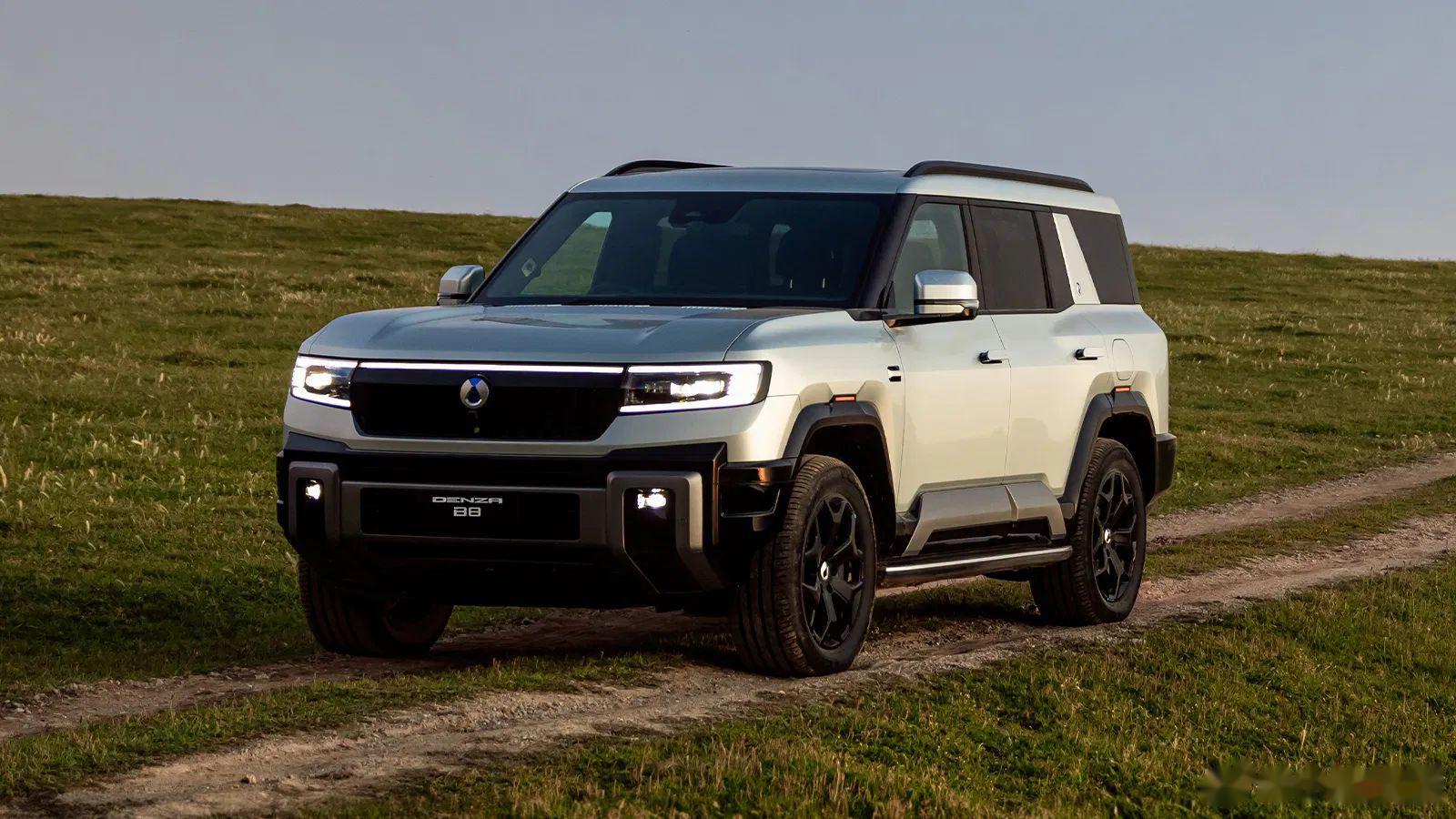 UsedAutoX sources quality used cars in China, handles export documentation, arranges shipping to Jebel Ali and supports you through clearance and registration. Contact us on WhatsApp for a tailored quote and current model availability.
Related guides: - How to Import Cars from China to Saudi Arabia
- WhatsApp: +86 19867613950
- Email: sales@usedautox.com