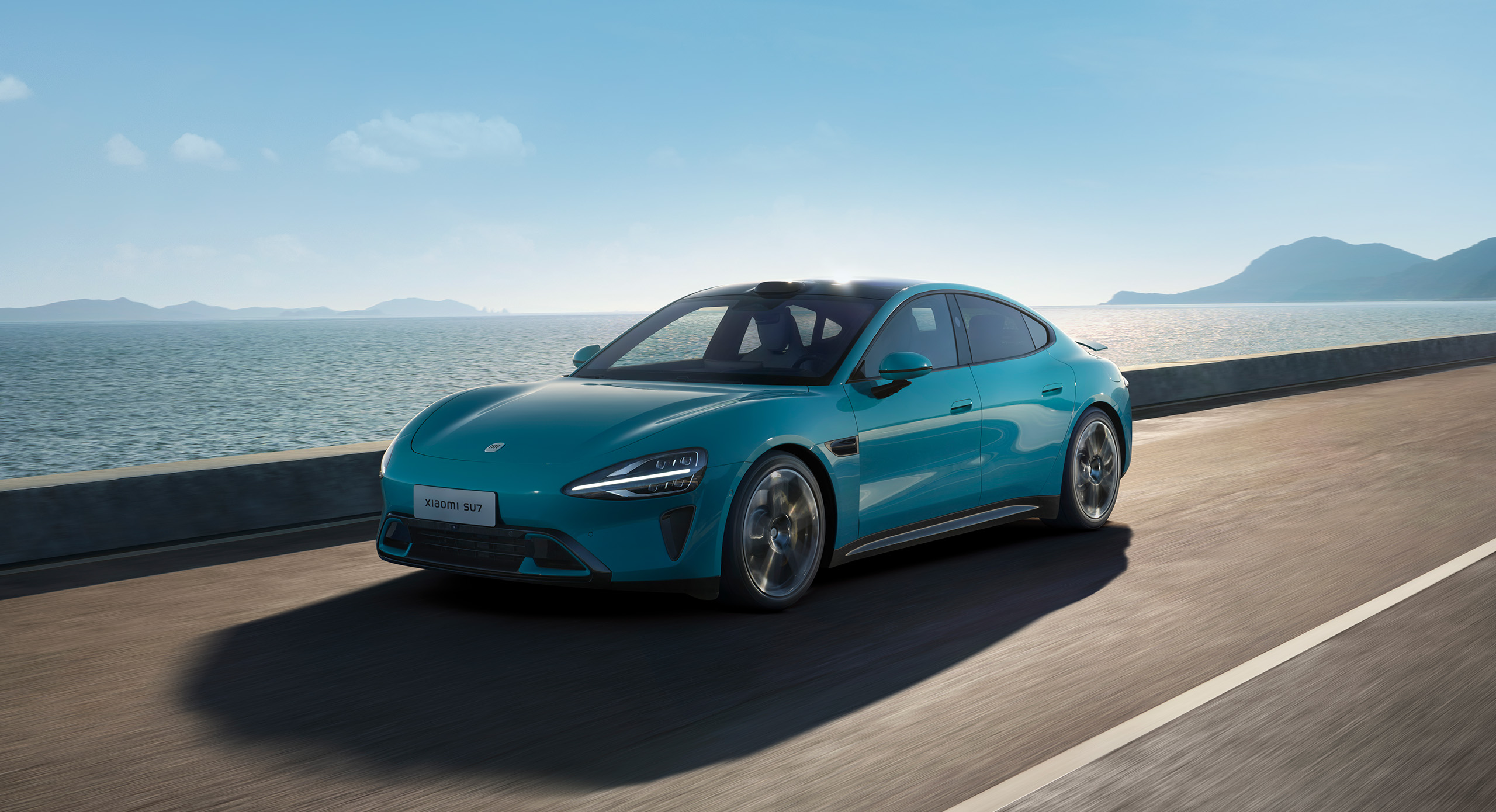
The Xiaomi SU7 is the most hyped Chinese car of the decade — nearly 90,000 firm orders in 24 hours at launch, a Porsche-like silhouette, and the full weight of Xiaomi’s brand machine behind it. Two years into production, the question for importers has changed from “is it real?” to “does it sell in my market?” Here is the dealer’s answer.
The Lineup and 2026 Price Picture
| Variant | Battery | Range (CLTC) | 0–100 km/h | China Price (used, 2026 ref.) |
|---|---|---|---|---|
| Standard | 73.6 kWh | 700 km | 5.28s | $26,000–$32,000 |
| Pro | 94.3 kWh | 830 km | 5.7s | $30,000–$36,000 |
| Max | 101 kWh | 800 km | 2.78s | $36,000–$44,000 |
| Ultra | 93.7 kWh | 630 km | 1.98s | $60,000+ (rare used) |
Prices are indicative ranges checked 2026-08; actual quotes depend on availability and are provided on inquiry.
What Makes It Sell
1. The brand does the marketing for you. Xiaomi sells phones in 100+ markets. In the Middle East, Southeast Asia and Latin America, your buyers already trust the logo — the hardest part of selling a Chinese car is pre-solved.
2. The design reads as expensive. The SU7 looks like a car priced twice as high. For showroom appeal in brand-conscious markets, that matters more than spec sheets.
3. The tech ecosystem is a genuine differentiator. HyperOS ties the car to Xiaomi phones and smart-home devices. For tech-forward buyers (a large share of EV buyers everywhere), no other Chinese EV offers this.
4. LHD only, worldwide supply. The SU7 is produced in LHD only — which suits every market we serve (UAE, Saudi, Iraq, Nigeria, Ethiopia, Costa Rica are all LHD). The RHD markets (Kenya, South Africa) are out of scope for now.
What Limits It
1. After-sales ramp-up. Xiaomi’s overseas service network is still young compared with BYD. Recommend stocking common wear parts with every shipment and checking service coverage in the destination country before quoting.
2. EV infrastructure assumptions. The SU7’s 800V charging is fast on the right chargers — and irrelevant where chargers do not exist. In Nigeria or Iraq, position the SU7 for urban buyers with home or workplace charging, not as a long-haul car.
3. Export compliance. As an EV passenger car, it now goes through China’s dedicated EV export license (effective 2026-01-01), and near-new units registered under 180 days need the manufacturer after-sales certificate. Work with an exporter that handles both on paper — not by promise.
Market-by-Market Verdict
| Market | Verdict |
|---|---|
| UAE / Saudi | Strong — tech buyers and status seekers; the Max and Ultra are the units to stock. See our UAE import guide |
| Iraq | Niche — near-new units fit the 2-year age rule, but confirm service support first |
| Nigeria | Limited — price band is too high for the mass market; occasional premium orders only |
| Ethiopia | Limited — EV-only market is price-driven; SU7 sits above the sweet spot |
| Costa Rica | Good — EV tax advantage plus design-conscious buyers; age rules favor recent units |
The Sourcing Play
The sweet spot for exporters is 2024–2025 Standard and Pro units coming off Chinese urban leases — low mileage, strong warranty coverage, and prices 15–30% below new. Verify battery health reports before purchase, and confirm the software can be set to English and destination-language packs before shipping (Chinese-market units need the international software version for overseas buyers).
How to Buy with UsedAutoX
We source SU7 units from verified China channels with export documentation under the 2026 rules, including battery health reports. Send us your variant and quantity — we will reply with availability and landed-cost quotes.
- WhatsApp: +86 19867613950
- Email: sales@usedautox.com