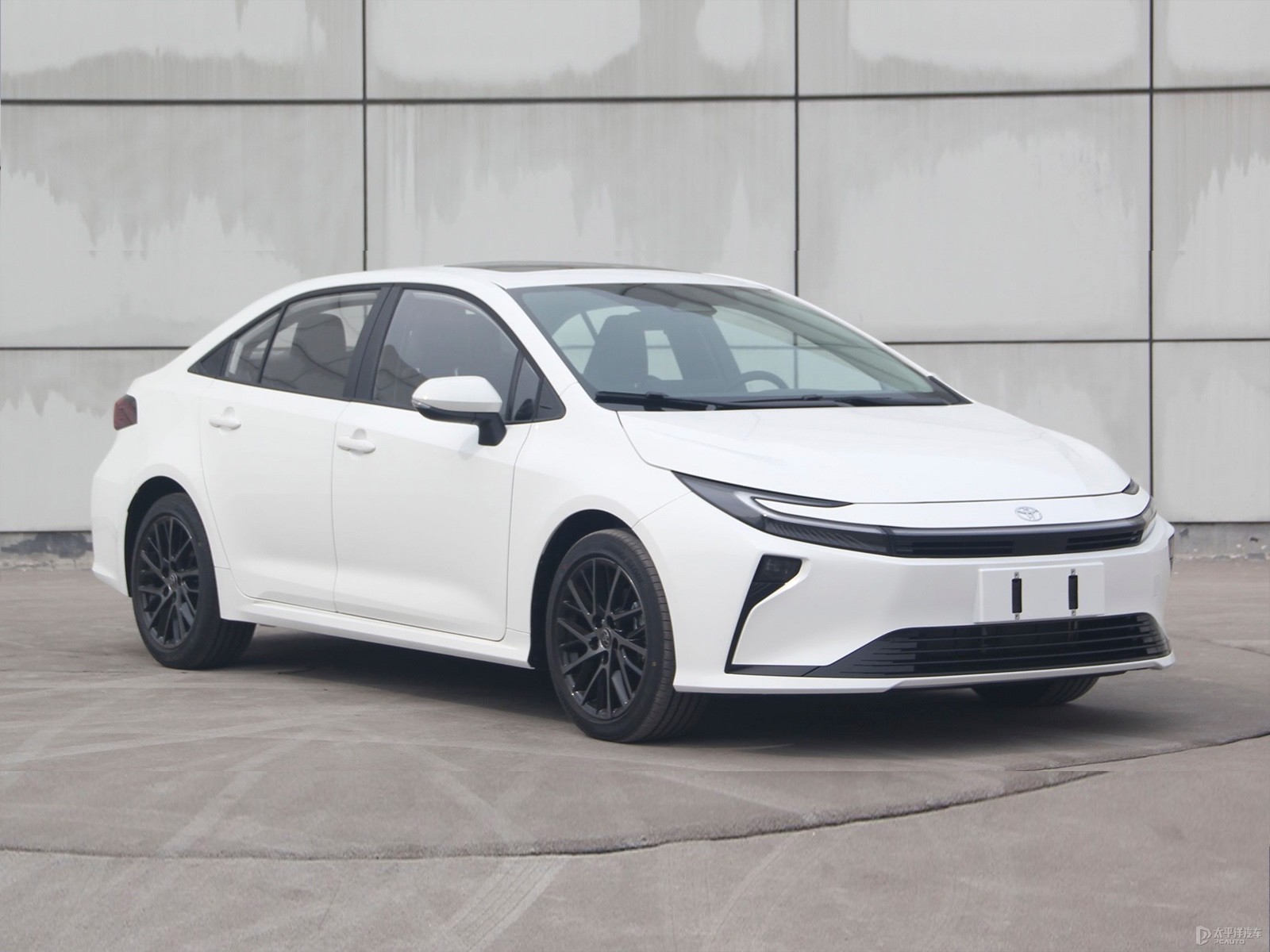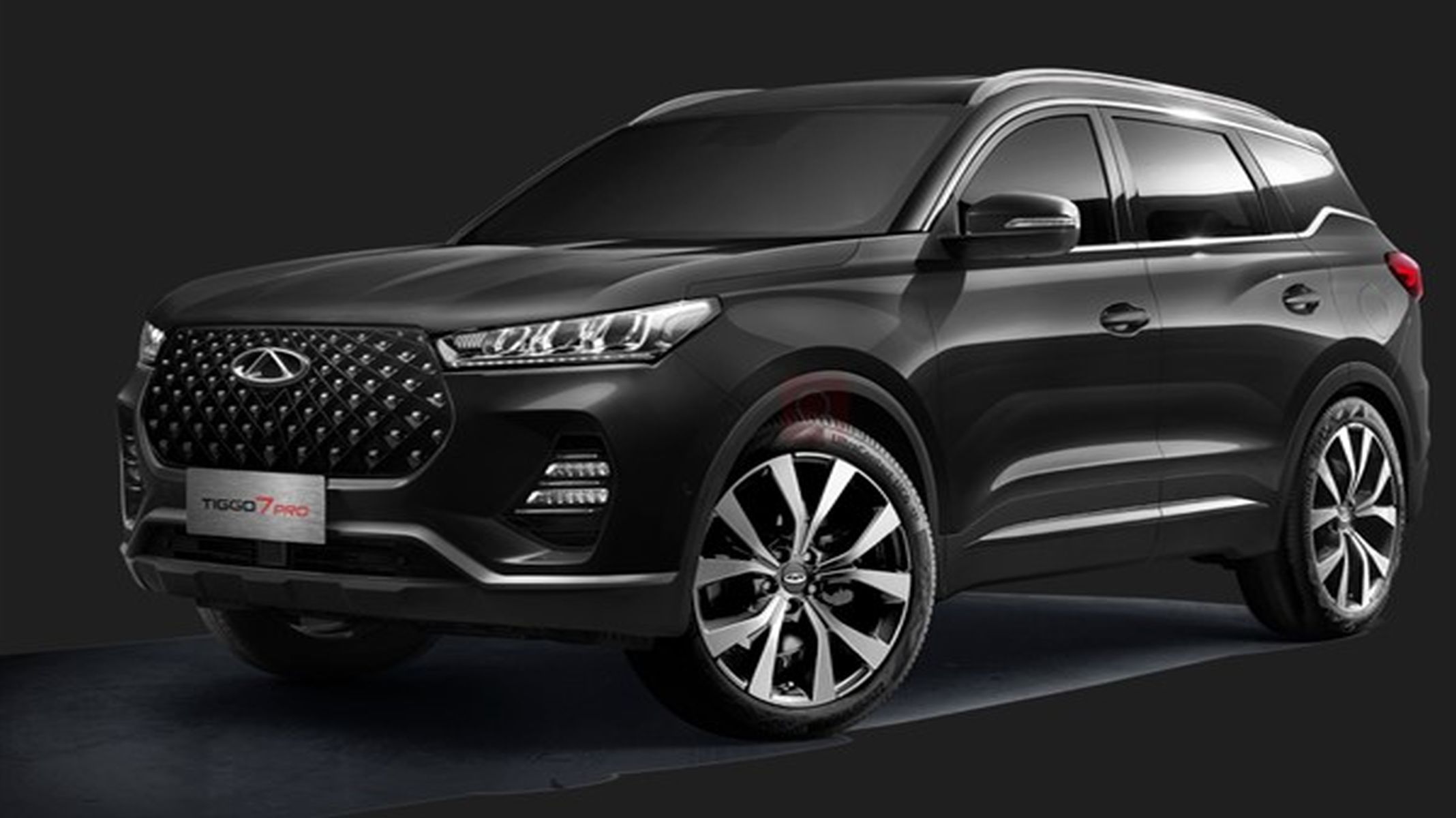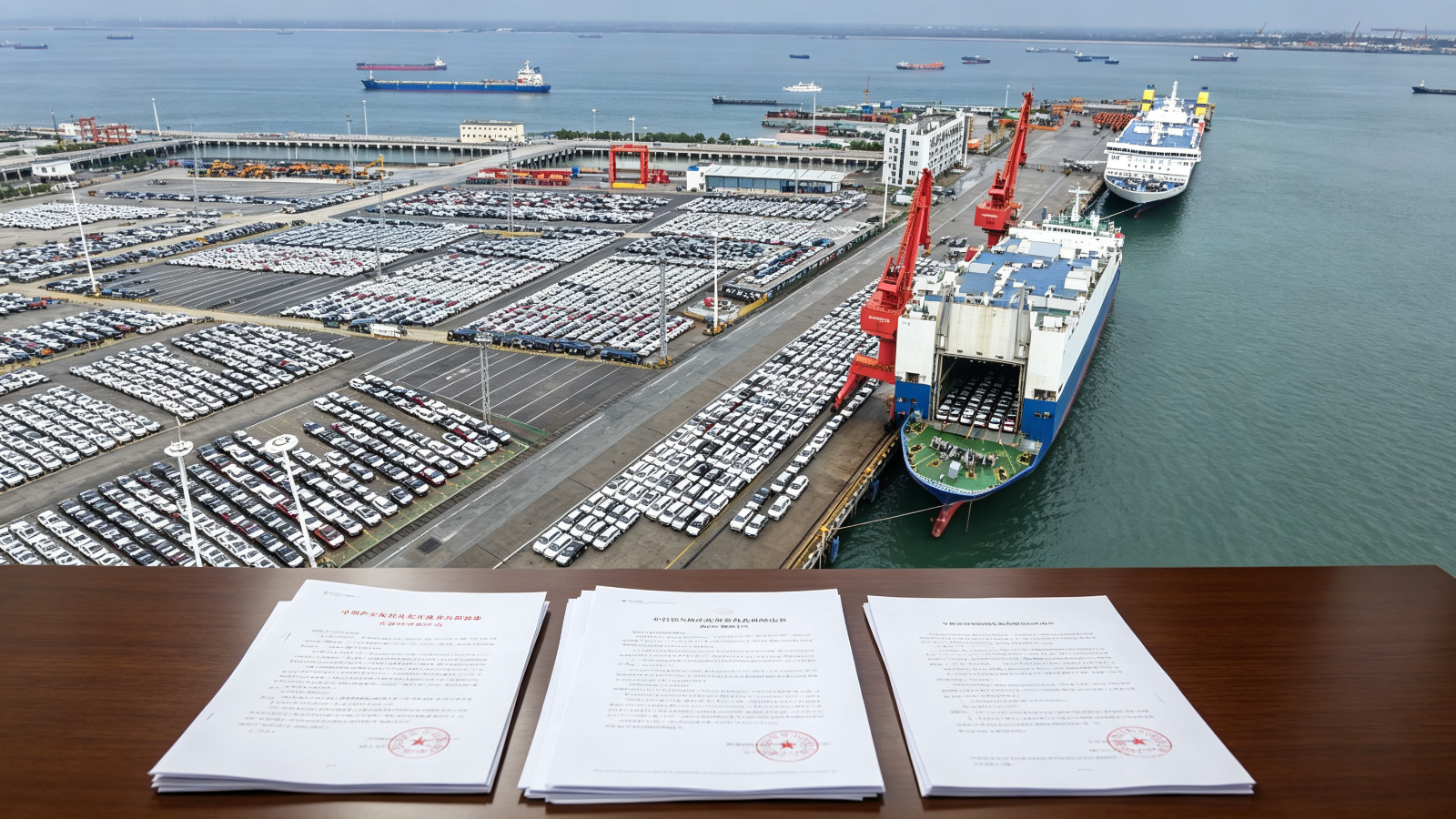
Short version: China did not ban new car exports in 2026. What changed on 1 January 2026 is the toughest compliance tightening in the history of Chinese used car export — aimed at killing the practice of shipping brand-new cars under “used car” paperwork. For honest importers, this is good news: cleaner supply, fewer gray-market risks, and genuine used cars at genuine used prices.
What Actually Happened
On 14 November 2025, China’s Ministry of Commerce, together with the Ministry of Industry and Information Technology, the Ministry of Public Security and the General Administration of Customs, issued the Notice on Further Strengthening Used Car Export Management (Document 商贸函〔2025〕648号), effective 1 January 2026.
The notice does not suspend new car exports — new vehicles continue to be exported under the existing manufacturer authorization system. What it does is close the loophole that allowed exporters to register zero-mileage new cars as “used” vehicles and ship them overseas, bypassing new car export controls.
The Rule That Matters Most: The 180-Day Certificate
This is the single most important change for anyone buying from China in 2026:
Any vehicle applying for export within 180 days (inclusive) of its registration date must present an “After-Sales Maintenance Service Confirmation” (售后维修服务确认书) issued and officially stamped by the vehicle manufacturer.
The certificate must state the export destination country, the vehicle information, and the manufacturer’s after-sales service arrangements in that country. No certificate = no export license. Full stop.
Why this matters to you:
- Quasi-new “used” cars (a few weeks old, near-zero mileage) can still be exported — but only with manufacturer cooperation. In practice, most quasi-new supply has dried up or moved to the legitimate new car export channel.
- The “used cars” still flowing through export channels are now overwhelmingly genuine used vehicles with real mileage and real registration history. What you see is closer to what you get.
- Check the registration date on the vehicle’s documents. If the car was registered less than 180 days before export and the exporter cannot show the manufacturer certificate, walk away — it means the export itself is not fully compliant.
EV Exports: New Licensing Layer
Separately, in September 2025 the same four departments announced export license management for pure electric passenger vehicles, effective 1 January 2026. EV passenger cars now go through a dedicated export licensing track.
For importers the practical effect is timing and documentation: EV shipments need the extra licensing step, so budget a few extra days in the export schedule and make sure your exporter handles it as part of the service — it should never be your problem to solve.
Stricter License Applications
The notice tightens the paperwork itself:
- The vehicle brand, model, registration date and transfer-registration date in the export license application must match the Motor Vehicle Registration Certificate exactly. Non-compliant applications are denied, and repeat offenders are publicly identified.
- This kills the practice of exporting a different vehicle than the one on paper — a classic scam vector in this industry.
The Credit System and Negative List
China is building a credit evaluation system for used car exporters, with a public negative list of dishonest exporters. Companies with repeated violations — failure to provide spare parts and warranty support, quality assurance violations, document fraud — face rectification orders, suspension of license processing, or denial of new licenses. The rules even cover shell companies set up by related parties of violators.
How to use this: before placing an order, ask your exporter for their export license number and check it against the negative list. A legitimate exporter will share this without hesitation. If they dodge the question, that is your answer.
Modified Vehicles and CCC Certification
The notice also targets “fake modification” schemes — vehicles exported as modified units to evade new car rules. Exporters must prove modification authenticity with photos and purchase agreements, and the base vehicle must be listed in the MIIT product catalogue with valid CCC certification.
Practical takeaway: if a deal involves a “modified” vehicle at a suspiciously low price, verify the documentation chain before paying.
What This Means for Importers in 2026
- The supply channel is cleaner. The “brand-new car at used car price” deals that flooded some markets are mostly gone — and so are many of the fraud cases that came with them.
- Genuine used cars still flow normally. The rules target the quasi-new loophole, not ordinary used vehicles. Destination-side rules are unchanged too — see our UAE import guide and Nigeria import guide.
- Vet your exporter. License number, negative list check, and the 180-day certificate rule give you three concrete checks you can run before sending money — our payment guide covers the money side.
- Plan for compliance lead time. EV exports in particular have an extra licensing step in 2026 — see how it affects landed costs.
- Prices are still 15-30% below new equivalents — the fundamental economics of the Chinese used car market has not changed.
How to Buy with UsedAutoX
We are a licensed used car export company in China. Every vehicle we ship is a genuine registered used car, fully documented under the 2026 rules — including manufacturer after-sales certification where the 180-day rule applies. We handle export licensing, inspection, documentation and shipping, and we can show you the paperwork before you pay.
- WhatsApp: +86 19867613950
- Email: sales@usedautox.com
Tell us which market you import into and we will send you current availability with full export documentation samples — contact us for a quote within 24 hours.